India has taken the lead globally in adopting AI-powered healthcare tools, with a significant majority of consumers actively using digital health solutions for everyday health management.
Glimpse:
A 2026 Boston Consulting Group (BCG) report reveals that 85% of Indian consumers are using AI-powered health tools, far surpassing global averages and countries like the US (50%), UK (43%), and Japan (34%). AI usage is most prominent in chatbots (33%) and wearable devices (19%), driven by increasing smartphone penetration and digital health adoption.
India has emerged as a global frontrunner in the adoption of artificial intelligence in healthcare, with a remarkable 85% of consumers already using AI-powered tools in their personal health routines. This positions India significantly ahead of developed markets such as the United States, the United Kingdom, and Japan.
The findings are based on a Boston Consulting Group (BCG) study titled “Consumers Are Ready for AI-Enabled Health Care. Health Systems Need to Be, Too,” which surveyed over 13,000 individuals across 15 countries. The study highlights a major shift in how healthcare is being accessed and managed globally, with India leading the transformation.
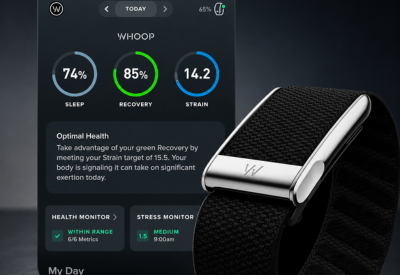
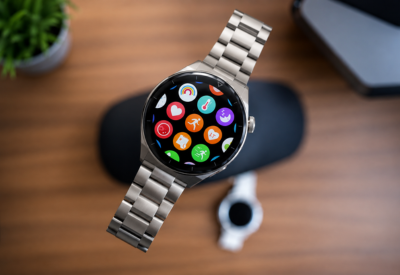
AI usage in India is largely concentrated in chatbots (33%) and wearable health devices (19%), indicating strong consumer acceptance of digital first healthcare solutions. These tools are commonly used for symptom checking, health monitoring, and accessing medical guidance.
The rapid adoption is fueled by India’s expanding digital ecosystem, including widespread smartphone usage, affordable internet access, and the growth of healthtech platforms. Initiatives like telemedicine and digital health records have also familiarized users with technology driven care, making the transition to AI-enabled tools smoother.
However, despite the high adoption rate, challenges remain. Reports indicate concerns around data privacy, trust, and accuracy of AI-generated medical advice, with many users preferring a hybrid model where AI supports rather than replaces doctors.
Experts note that this trend reflects a broader global shift toward consumer driven healthcare, where individuals are increasingly using digital tools to manage their health proactively. India’s leadership in this space highlights its potential to shape the future of AI-enabled healthcare systems worldwide.
At the same time, the rapid growth underscores the need for stronger regulatory frameworks, improved data protection measures, and continued investment in digital health infrastructure to ensure safe and equitable access for all.