The world of healthcare is undergoing a quiet revolution one where patients are no longer tethered to hospital beds to be monitored. According to a recent comprehensive guide on remote-patient monitoring published by Digital Health News, RPM devices are now transforming how care is delivered.
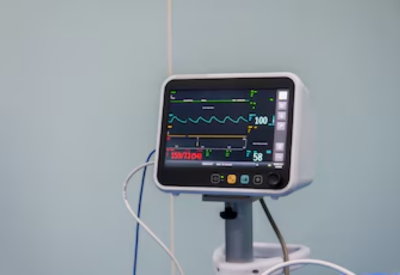
At its core, RPM relies on a variety of devices: wearable biosensors, ECG patches, connected blood-pressure monitors, glucose sensors, oxygen monitors and more. These devices constantly track vital parameters (heart rate, blood pressure, oxygen saturation, glucose levels etc.) and transmit data via Internet-of-Things (IoT) connectivity. This continuous, real-time data stream enables clinicians to monitor patients remotely bridging the gap between periodic in-person visits.
The benefits of RPM are substantial. For patients with chronic conditions such as diabetes, hypertension or heart disease, RPM allows early detection of potential issues, enabling timely interventions and avoiding complications. Studies have shown that RPM can reduce hospital readmissions, improve treatment adherence and enhance overall quality of care.
Moreover, RPM fosters greater patient engagement: people become active participants in their own health empowered with data and connected to care providers without needing frequent hospital visits. This is especially valuable for elderly patients, remote populations, or those with limited mobility.
However, deploying RPM at scale comes with challenges. Reliable internet connectivity, data security, device interoperability, and regulatory compliance all need robust solutions. As RPM technologies advance with increasing use of cloud platforms, IoT frameworks, and AI-driven analytics ensuring privacy, accuracy and trust will be key.
Yet many experts argue RPM is not just a convenience it’s a necessity for modern healthcare. As populations age and chronic disease burden rises worldwide, RPM offers a sustainable way to deliver continuous, preventive care, reduce costs, and improve health equity.