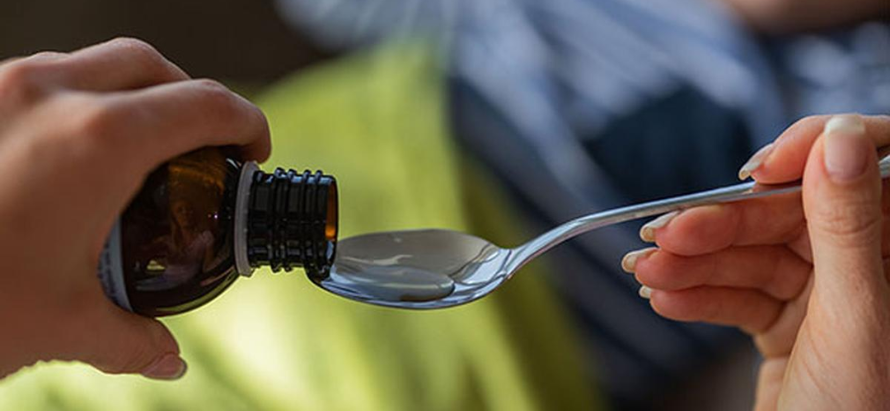
The World Health Organization has issued a cautionary note regarding the potential export of contaminated cough syrups via unregulated or informal trade routes. This comes after India declared three syrups Coldrif, Respifresh TR, and ReLife toxic due to diethylene glycol (DEG) contamination.
While none of these syrups are confirmed to have been officially exported, WHO warns that illicit channels could carry unsafe batches across international borders. The agency urged national drug regulators to initiate targeted surveillance in informal market segments, especially in countries with weaker oversight.
To preempt further spread, WHO recommended expanding random testing protocols, tracking distribution chains more tightly, and improving cross‐border data sharing on pharmaceutical safety alerts.
Karnataka state has already responded by testing 300–400 syrup samples; none were found substandard. The state also banned the suspect syrups locally and is developing an app for faster recall management.