Artificial intelligence is steadily reshaping hospital radiology departments by speeding up image analysis, improving diagnostic accuracy, reducing radiologist fatigue, and helping manage the ever increasing volume of scans, all while acting as a supportive tool rather than a replacement for human expertise.
Glimpse:
Published just days ago in early April 2026, the article highlights how AI has evolved from basic computer aided detection tools in the 1990s to advanced systems capable of analyzing thousands of images in seconds. Hospitals are now adopting AI for faster diagnoses, fewer errors, and better workflow efficiency. Emerging approaches like federated learning allow secure model training across institutions without sharing patient data.
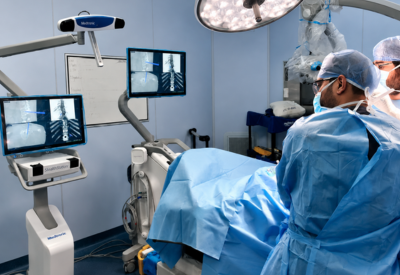
Radiology departments in hospitals face growing pressure as the number of imaging studies continues to rise sharply every year. Reading complex scans is detailed and time consuming work, often leading to fatigue among radiologists. Artificial intelligence has emerged as one of the most important developments in this field over the past decade, quietly transforming daily operations without replacing human specialists.
What started as simple computer-aided detection systems in the 1990s mainly used to flag potential issues on mammograms with limited success has now advanced into highly sophisticated tools. Modern AI systems can review thousands of images within seconds and spot subtle abnormalities that even experienced eyes might miss after long hours of work. These technologies assist radiologists by prioritizing urgent cases, highlighting suspicious areas, and generating preliminary findings, which helps reduce turnaround times and improves overall accuracy.
Beyond basic detection, hospitals are exploring advanced techniques such as federated learning. This method enables AI models to train on data from multiple institutions while keeping sensitive patient information securely within each hospital. It addresses key challenges around data privacy and helps create more reliable and generalizable AI tools that work effectively across diverse patient populations.
The integration of AI is already delivering clear benefits, including faster diagnoses, fewer diagnostic errors, and better management of heavy workloads. Radiologists can focus more on complex cases and patient consultations while AI handles repetitive or routine tasks. As adoption grows, experts believe this supportive role will continue to enhance care quality and efficiency in radiology departments across the globe.