Merck & Co. has committed to a transformative expansion of its U.S. operations, announcing that it will invest more than $70 billion in manufacturing and research infrastructure across the country. The first visible step in this rollout is the groundbreaking of a $3 billion pharmaceutical manufacturing “Center of Excellence” in Elkton, Virginia, which is expected to create around 500 full‐time jobs and thousands of construction positions.
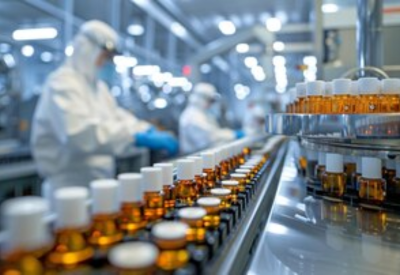
This facility will focus on both active pharmaceutical ingredient (API) production and finished drug product manufacturing, reinforcing Merck’s intent to bring production closer to key markets and reduce reliance on offshore sites. The company has also announced complementary investments: a $1 billion biologics manufacturing hub in Wilmington, Delaware, targeting next-generation therapies; a $1 billion vaccine production facility in Durham, North Carolina; and an $895 million expansion of its animal-health manufacturing plant in De Soto, Kansas.
Merck’s decision is influenced by a broader pharmaceutical trend: mounting supply-chain vulnerabilities, policy pressure to manufacture domestically, and the rising demand for biologic therapies that require heightened production capabilities. The company states that its investment will strengthen U.S. competitiveness in life sciences and create thousands of new jobs.
The timing of this strategy signals a shift in how large drug-makers view production geography. Merck’s investment underscores that the U.S. remains a central node for future manufacturing not just for finished products but for complex biologics and small-molecule APIs. With rising geopolitical and trade tensions, having robust domestic manufacturing capacity is becoming a strategic imperative. The multi-state rollout also means local economies across Virginia, Delaware, North Carolina and Kansas will see tangible benefits in employment, infrastructure and industrial investment.