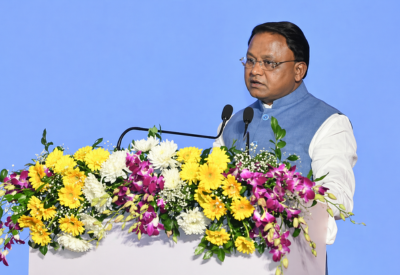
India has taken a historic step forward in genomic medicine with the announcement of BIRSA-101, its first indigenous CRISPR-based gene therapy for sickle cell disease (SCD). The therapy was officially launched by Union Minister Dr. Jitendra Singh, marking a major milestone in the country’s quest to offer affordable, cutting-edge treatments for genetic disorders.
Developed at the CSIR Institute of Genomics and Integrative Biology (IGIB), BIRSA-101 leverages a high-fidelity CRISPR platform called enFnCas9, which functions like a “precise genetic surgery” to correct the mutation responsible for the disease. The therapy is particularly significant for India’s tribal communities where SCD prevalence is high and was named in tribute to Birsa Munda, a revered tribal freedom fighter.
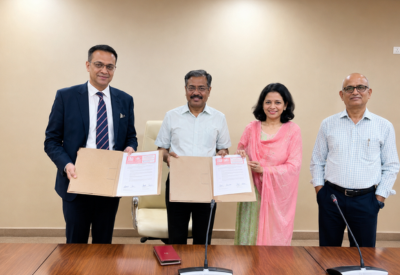
To ensure the treatment remains affordable and scalable, IGIB has signed a technology-transfer agreement with the Serum Institute of India (SII). According to reports, while existing CRISPR-based therapies can cost ₹ 20–25 crore overseas, BIRSA-101 could be manufactured and made available for around ₹ 50 lakh, making it vastly more accessible.
Clinical trials are scheduled to begin soon among tribal populations in central India including in areas like Madhya Pradesh, Chhattisgarh, and Jharkhand. Dr. Souvik Maiti (IGIB) explained that the first phase will involve a small cohort, with expanded Phase II/III trials planned after initial safety is confirmed. This initiative aligns with India’s broader vision of eliminating SCD and developing advanced gene-editing solutions domestically under the Atmanirbhar Bharat mission.