Researchers from Institute of Economic Growth (IEG) in Delhi combined data from the latest National Family Health Survey‑5 (NFHS-5) with district-level climate-vulnerability assessments (by Central Research Institute for Dryland Agriculture, CRIDA). Their analysis covered more than 150,000 children and over 440,000 women across rural districts.
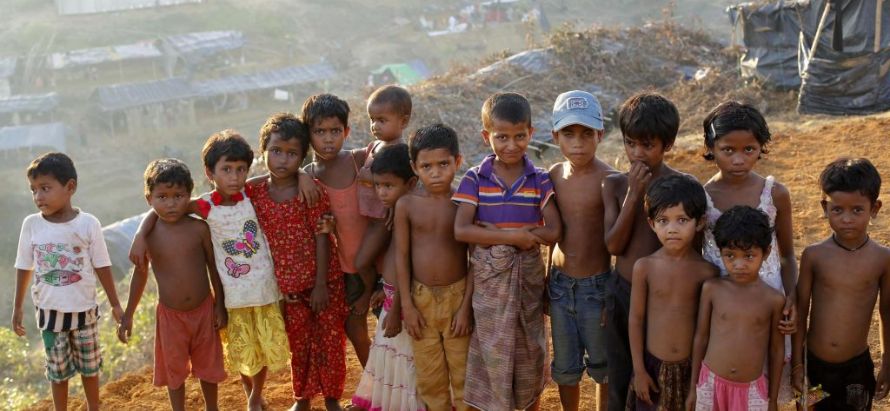
The results were stark: in districts classified as “highly vulnerable” to climate stress e.g. prone to floods, heatwaves, droughts, unpredictable rainfall children were significantly more likely to be underweight, stunted or wasted. Meanwhile, rates of non-institutional (home or unqualified) births were far higher, suggesting disruptions in maternal-care access and delivery services under climate pressures.
The authors argue that climate change is emerging as more than an environmental or economic hazard it is a direct public-health risk. They warn that without integrating climate-resilience planning in health and nutrition policy, improvements in child growth, maternal care and overall health could stall or reverse.