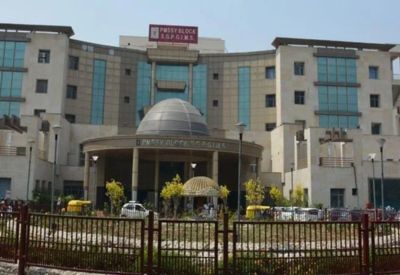
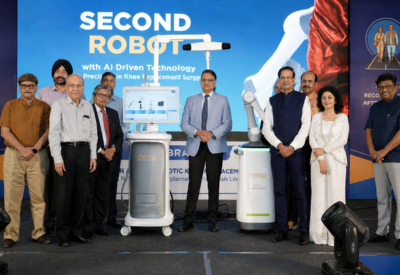
The Sanjay Gandhi Postgraduate Institute of Medical Sciences (SGPGIMS) one of India’s premier public healthcare and medical research institutions has announced plans to broaden its use of artificial intelligence (AI) across multiple facets of healthcare delivery and innovation. Speaking at an institutional event, Director Professor Radha Krishan Dhiman highlighted that the institute is committed to exploring “AI-driven healthcare solutions” that enhance care quality, operational efficiency and clinical research productivity.
Professor Dhiman noted that AI technologies will be embedded in diagnostic workflows, such as radiology and pathology, where machine-enabled tools can assist clinicians in detecting abnormalities faster and with greater precision. The institute also sees potential in applying predictive analytics and machine learning models to electronic health records (EHRs) to identify high-risk patients, optimise treatment pathways and support preventive care strategies.
Beyond clinical applications, SGPGIMS plans to use AI for research acceleration enabling rapid data mining, pattern discovery and interpretation of complex biomedical signals as well as for telemedicine and remote consultation platforms that can expand access to specialised care beyond hospital walls. The director emphasised that AI is not a replacement for clinicians but a tool to augment their capabilities, reduce administrative burden, and ensure evidence-based decision-making at the point of care.
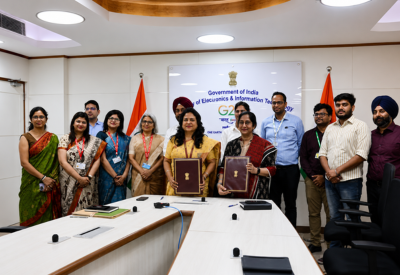
According to leadership, AI adoption will be phased and ethically governed to ensure data privacy, algorithmic transparency and clinical validation. SGPGIMS intends to collaborate with technology partners and government initiatives to build a robust AI ecosystem that supports both patient outcomes and academic excellence. The move aligns with broader national priorities to accelerate digital health transformation and harness technology for scalable, quality-focused healthcare.