Glimpse:
With CMC GenNote, clinicians can use voice commands to open documentation forms and have full EMR notes automatically generated from spoken dialogue. The system is designed to work reliably even in noisy clinical environments, thanks to specialized microphones and a medical-optimized language model. Initial rollout is in outpatient departments, with plans to extend to operating rooms, emergency, and inpatient wards.
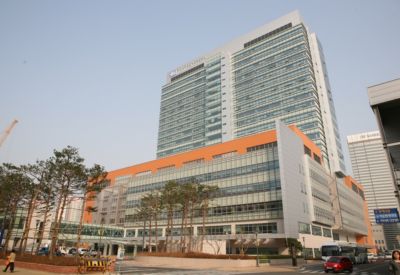
Seoul St. Mary’s Hospital, part of South Korea’s Catholic Medical Center network, has launched an AI-driven “voice-scribe” system to transform how clinical documentation is done. Called CMC GenNote, the tool lets doctors generate structured EMR entries simply by speaking the system opens relevant forms via voice commands, listens to real-time conversation, and translates it into organized medical records.
To ensure accuracy, especially in busy hospital settings, the deployment uses specialized microphones and a language model tuned to Korean medical terminology and hospital-specific vocabulary. The system has begun in select outpatient departments and is planned to expand across operating theatres, emergency rooms, and inpatient wards, as part of the hospital’s broader “smart hospital” initiative.
Officials at the hospital say the new AI-scribe is aimed at reducing documentation burden on physicians and enabling them to spend more time on direct patient care, clinical decision-making, and teaching instead of paperwork. The move reflects a global trend where hospitals adopt AI and digital tools to streamline workflows, minimize human error, and improve care efficiency.