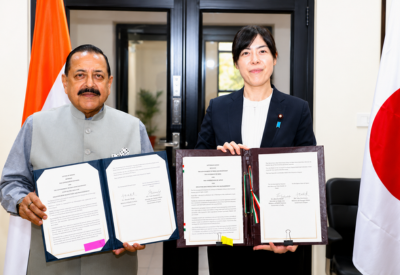
India and the Sultanate of Oman have inked a Comprehensive Economic Partnership Agreement (CEPA) that features a major provision: complete elimination of tariffs on exports of medical technology products from India to Oman. The agreement is expected to significantly enhance trade flows in healthcare equipment and strengthen India’s role as a global MedTech supplier.
The tariff elimination applies to a broad range of medical technology categories including diagnostic imaging equipment, surgical instruments, medical disposables, specialised hospital devices and related components. By removing import duties, Indian exporters will benefit from a more competitive cost structure in the Omani market, enabling them to scale exports, access new buyers, and deepen market penetration without tariff-related pricing disadvantages.
Officials from both governments highlighted that the tariff concession is part of a wider effort to deepen economic ties and support sectoral cooperation in areas of mutual interest particularly in healthcare, life sciences and technology-driven medical solutions. For Indian MedTech manufacturers, many of whom already have a presence in Middle Eastern markets, the agreement promises enhanced market access, improved export volumes and a firmer foothold in a growing demand region.
The move aligns with India’s broader export strategy and government policy focus on promoting indigenous medical device manufacturing, facilitating supply chain diversification and creating global pathways for domestic innovation. India’s medical technology industry, which includes producers of imaging systems, orthopaedic implants, consumables and digital health tools, has been seeking trade frameworks that reduce barriers and stimulate demand in overseas markets.
From Oman’s perspective, easier access to competitively priced Indian MedTech products supports the nation’s healthcare infrastructure development plans and diversifies its supply base particularly for essential equipment and advanced medical solutions needed in both public and private health sectors.
Analysts believe that the CEPA’s tariff provisions could catalyse further collaboration between MedTech ecosystems in both countries including joint ventures, R&D partnerships and knowledge exchange initiatives that support innovation and quality standards.