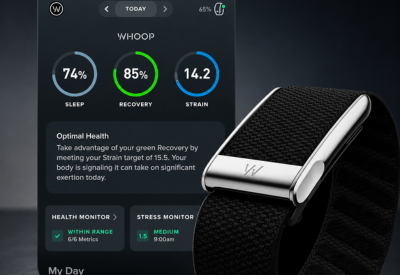
A new life-cycle analysis published in Nature projects that global consumption of wearable healthcare devices such as continuous glucose monitors, ECG patches, blood pressure sensors, and ultrasound imagers could increase 42-fold by 2050, reaching nearly 2 billion units annually. While promising revolutionary preventive care, this boom raises alarms over 3.4 MtCO₂-equivalent emissions, e-waste, and ecotoxicity.
The rapid rise of wearable healthcare electronics is set to explode globally, with a new study forecasting a staggering 42-fold increase in annual device consumption by 2050. This projection, from a comprehensive environmental impact analysis in Nature (December 2025), estimates nearly 2 billion units produced yearly driven by aging populations, chronic disease management, and demand for non-invasive monitoring.
The study performed a full life-cycle assessment on four key devices: non-invasive continuous glucose monitors, continuous ECG monitors, blood pressure monitors, and point-of-care ultrasound patches. Each device emits 1.1–6.1 kgCO₂-equivalent over its lifetime, from raw materials to disposal. Scaled globally, this translates to 3.4 million metric tonnes of CO₂-equivalent emissions annually by 2050, plus significant ecotoxicity from materials and mounting e-waste challenges.
Market dynamics will shift dramatically: Continuous glucose monitors are predicted to claim 72% share by mid-century, outpacing today’s ~1.2 billion annual smartphone sales. Initial dominance by ECG and blood pressure devices gives way to glucose tech as diabetes prevalence surges.
Geographically, China is projected to contribute the most greenhouse gases from these wearables by 2050, followed closely by India reflecting manufacturing hubs and growing adoption in populous emerging markets.
While recyclable/biodegradable plastics offer limited relief, the researchers advocate substituting critical metals, redesigning circuits, and engineering frameworks for “ecologically responsible” next-gen wearables balancing health benefits with planetary sustainability.
This dual-edged forecast celebrates wearables’ potential for proactive health (early detection, remote monitoring) but urges urgent mitigation to avoid exacerbating climate and waste crises.