AI-powered innovation is set to propel Indian pharmaceutical companies onto the global fast track, reshaping how drugs are discovered, manufactured, and delivered at scale, according to Prof. Milind J. Umekar. Speaking at a recent industry-academia forum, Prof. Umekar underscored that artificial intelligence is emerging as a key enabler of innovation-led competitiveness for Indian pharma in an increasingly regulated and technology-driven global market.
He highlighted that strategic deployment of AI across research and development, manufacturing operations, regulatory compliance, and supply chains is helping Indian pharmaceutical companies align more rapidly with international quality and safety benchmarks. Supported by strong digital infrastructure and a growing pool of scientific talent, the sector is leveraging AI to accelerate timelines, improve patient outcomes, and enhance global credibility.
In manufacturing, AI-enabled predictive analytics are being used to anticipate equipment failures, reduce unplanned downtime, and improve yield in continuous production facilities. Smart quality systems analyse real-time process data to detect deviations at an early stage, ensuring consistent product quality and strengthening regulatory compliance. AI-powered vision systems on production lines are already inspecting tablets, capsules, and packaging with precision beyond human capability, significantly reducing errors, recalls, and material wastage.
These advancements are helping Indian pharmaceutical manufacturers transition toward smart factories that meet stringent global regulatory expectations. Prof. Umekar noted that the sector’s emphasis on education, innovation, ethics, and professional excellence is central to this transformation, ensuring that technology adoption is both responsible and sustainable.
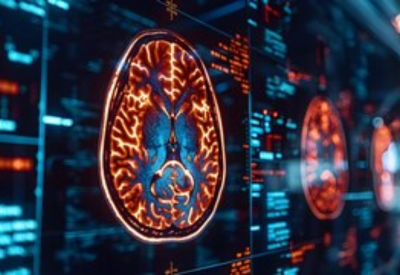
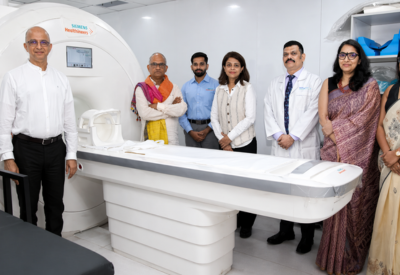
Beyond pharmaceuticals, the medical devices sector is also witnessing rapid AI-driven innovation. Intelligent diagnostic tools, smart wearables, and AI-assisted imaging systems are improving early disease detection, enabling remote monitoring, and supporting personalised therapy. These technologies are strengthening collaboration between pharmacists, clinicians, and patients, while expanding the pharmacist’s role in patient-centric care and medical device management.
The discussions also stressed the importance of exposing students, faculty, and researchers to AI’s transformative role in drug discovery and development. Building AI literacy across academia and industry, Prof. Umekar emphasized, will be critical to sustaining India’s leadership in global healthcare innovation.