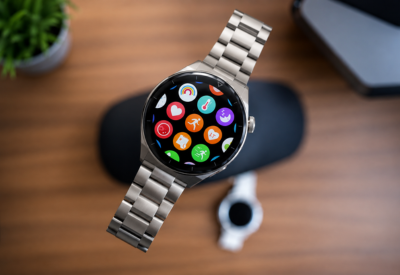
The FDA has taken a decisive step toward regulating the rapidly growing category of AI-enabled wearables and digital health tools with the publication of revised draft guidance on device software functions. The 2026 update significantly narrows the “general wellness” exemption and provides clearer criteria for when a product becomes a medical device subject to premarket notification (510(k)), De Novo classification, or Premarket Approval (PMA).
Key Changes & Clarifications in the Guidance:
General Wellness Exemption Narrowed Products limited to “promoting or maintaining a healthy lifestyle” (e.g., step counters, basic sleep trackers, calorie estimators) remain unregulated if they make no reference to disease, diagnosis, mitigation, treatment, or prevention. Any claim tied to a specific medical condition (even indirectly) triggers regulation.
Examples Now Considered Regulated Devices
AI-powered wearables that screen for or detect atrial fibrillation, sleep apnea, or abnormal heart rhythms.
Fall detection devices that claim to predict or prevent falls in the elderly.
Continuous glucose monitors marketed to non-diabetics for “metabolic health optimization.”
AI chatbots or apps that provide diagnostic interpretations of symptoms.
Devices that claim to improve or treat specific conditions (e.g., depression, anxiety, chronic pain) through biofeedback or stimulation.
New Emphasis on AI/ML-Specific Requirements
Transparency Manufacturers must explain how algorithms were trained, validated, and perform across diverse populations.
Bias & Equity Evidence of performance across age, sex, race, ethnicity, and socioeconomic groups.
Cybersecurity Mandatory risk assessments and ongoing monitoring.
Post-Market Surveillance Enhanced reporting obligations for AI-enabled devices, especially those using continuous learning.
The guidance also introduces a risk-based enforcement discretion policy for certain low-risk software functions during the transition period (through December 31, 2027), giving companies time to comply.
Industry Reaction Consumer wearable leaders (Apple, Fitbit/Google, Samsung, Oura) welcomed the clarity on general wellness boundaries but expressed concern over retrospective application to existing products. Clinical AI companies (Aidoc, Viz.ai) praised the focus on transparency and equity, while digital therapeutics firms called for more nuanced guidance on software-as-a-medical-device (SaMD).
Public Comment Period Stakeholders have until March 11, 2026, to submit feedback. The FDA expects to finalize the guidance by late 2026 or early 2027.
This update reflects the agency’s evolving stance as consumer wearables increasingly blur the line between lifestyle tracking and medical diagnostics aiming to protect consumers while preserving innovation.