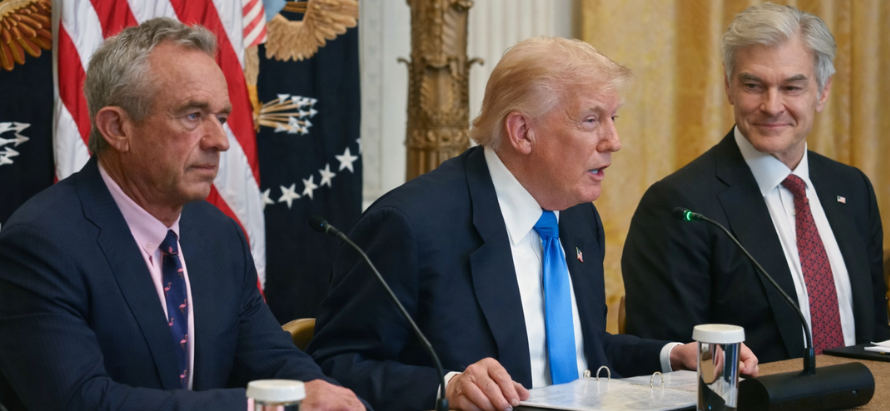
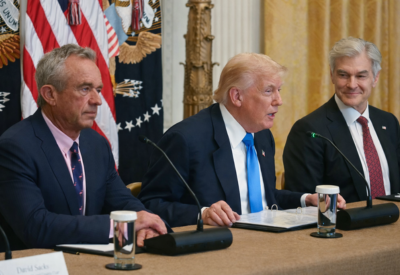
The Trump administration has accelerated its use of the Medicare Drug Price Negotiation Program by adding 15 more high-cost prescription drugs to the list of medications subject to direct government price negotiations. The announcement, made on January 23, 2026, by the Centers for Medicare & Medicaid Services (CMS), marks the second and largest expansion of the program since its creation under the Inflation Reduction Act of 2022.
The newly selected drugs include widely prescribed treatments for cancer (multiple kinase inhibitors and immunotherapies), diabetes (GLP-1 agonists and insulins), rheumatoid arthritis and autoimmune diseases (TNF inhibitors and JAK inhibitors), heart failure, multiple sclerosis, and chronic pain management. Together, these 15 drugs accounted for more than $20 billion in Medicare Part D spending in recent years, making them among the highest-cost medications covered by the program.
Under the negotiation process, CMS will now enter discussions with the manufacturers of these drugs to establish maximum fair prices (MFPs) that will apply to Medicare beneficiaries starting in 2028. The agency has set ambitious timelines: initial offers to manufacturers by mid-2026, counteroffers and further negotiations through 2027, and final prices published in September 2027 for implementation the following year.
The expansion reflects the administration’s determination to use the full scope of the Inflation Reduction Act’s drug pricing provisions, which allow Medicare to negotiate prices for up to 20 drugs per year starting in 2026. Administration officials emphasised that the selections were based on objective criteria: total Part D spending, number of beneficiaries using the drug, and lack of generic or biosimilar competition.
CMS Administrator highlighted the impact on seniors: “These are not niche drugs they are medications millions of older Americans rely on every day. By bringing negotiation power to bear on these high cost treatments, we are delivering real relief to beneficiaries and putting downward pressure on prices across the entire system.”
The decision has drawn praise from patient advocacy groups and senior organisations, who have long called for broader application of the negotiation authority. Pharmaceutical industry groups have expressed concern over the pace and scope of the expansion, warning of potential impacts on innovation and future drug development pipelines.
The move also signals continuity in drug pricing reform despite the change in administration, as the Inflation Reduction Act’s core mechanisms remain intact. With this second round, Medicare is on track to negotiate prices for 25 drugs by 2028 covering a substantial portion of high-cost Part D spending.
Beneficiaries are expected to see the first tangible price reductions from the initial 10 negotiated drugs in 2026, with broader savings from the new 15 drugs phased in starting in 2028. The administration has committed to transparency throughout the process, including public reporting of negotiation progress and final prices.