Glimpse:
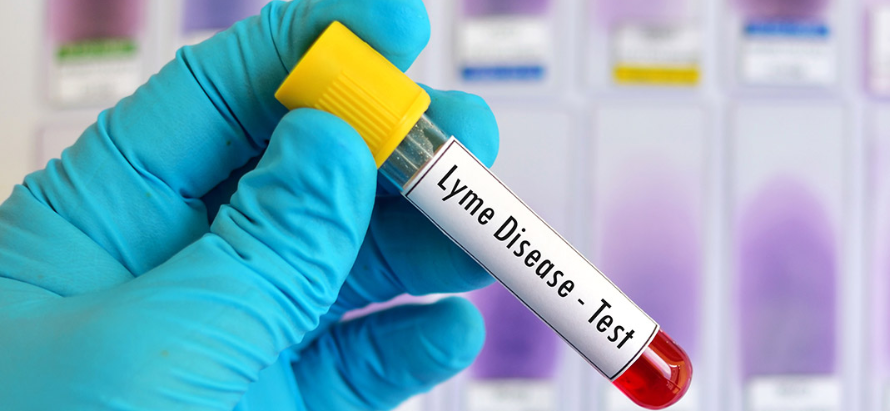
Lyme disease diagnosis traditionally lags because early-stage tests often fail or produce false negatives. But several recent AI innovations are changing that. One blood-test now under development shows over 90% sensitivity and specificity, including in early infection vastly better than the standard two-tier serology method, which often detects only about 30% of early cases. Another approach uses deep learning to analyze rash photos (often missed or misread by patients and clinicians) to spot the characteristic rash associated with Lyme disease. With these tools, patients could get earlier treatment, reducing the risk of long-term complications. Clinical trials, further validation, and regulatory approvals are underway for some of these tools.
Imagine catching Lyme disease early enough that the worst complications never get a chance to take hold. That’s no longer just wishful thinking thanks to artificial intelligence.
Researchers and startups are rolling out diagnostic tools that outpace standard tests. Here’s what’s changing:
One new AI-based blood test claims to identify Lyme disease in over 90% of early infections, compared to about 30% for traditional methods. This kind of early detection could make all the difference starting treatment sooner usually means much less damage.
Another approach taps into deep learning and computer vision to detect the telltale rash that appears in many but not all patients. Often these rashes are misidentified or dismissed, delaying diagnosis. AI models trained on thousands of images can pick up these early signs with surprising accuracy.
These advances aren’t just technical wins; they could reshape how patients and doctors approach Lyme disease. Faster diagnosis means antibiotics can work before things spiral before joint issues, neurological symptoms, or heart problems emerge. It also helps reduce confusion and frustration among patients who often endure misdiagnoses or prolonged symptom-searching.
That said, we’re not at the finish line yet. Key hurdles remain: validating results in broader populations, ensuring tests work well across skin tones, getting regulatory green lights, and making sure tools are affordable and widely accessible. Also, AI must serve as a companion to clinical judgment not a replacement.