In an era where convenience and accessibility increasingly define consumer expectations, the healthcare industry is undergoing a transformative shift enter connected health. This model deploys digital technologies such as wearables, telemedicine, mobile health apps and integrated data platforms to link patients, clinicians and health systems in real time. The goal: seamless collaboration no matter where care takes place.
One of the foundational components of connected health is interoperability: systems that can collect, integrate and share data across devices and settings. Whether it’s a smartwatch tracking heart rate, a remote-monitoring sensor recording glucose levels or a hospital portal storing imaging reports, connected health depends on this fluid data movement.
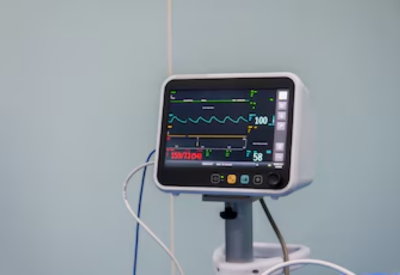
At the frontlines, remote monitoring devices are enabling continuous tracking of vital signs turning passive patient data into actionable insights. Wearables, smart sensors and mobile apps are identifying early warning signs, prompting timely interventions and reducing avoidable hospitalisations. These tools are especially valuable for chronic-disease management, where ongoing care and monitoring can significantly impact long-term outcomes.
Telehealth and virtual consultations likewise play a pivotal role. Regions with poor access to specialists are seeing benefits as patients connect with clinicians remotely, bypassing travel and wait times. This has accelerated post-pandemic, and combined with mobile health platforms it is forging new models of care built around the patient’s convenience.
However, the transition to connected health is not without its challenges. Data-privacy concerns, fragmented legacy systems, regulatory inconsistencies and the digital literacy divide all stand in the way of universal adoption. To fully capitalise on its promise, healthcare organisations must invest in secure, interoperable technologies and ensure that patient populations especially in underserved areas are equipped to participate.
As emerging technologies such as 5G, AI-driven analytics and blockchain mature, connected health is poised to evolve further. Imagine a future where your wearable alerts your care team before symptoms worsen, or where your entire care journey from home monitoring to specialist consultation is orchestrated by an integrated intelligent system. The seeds of that vision are already being planted today.