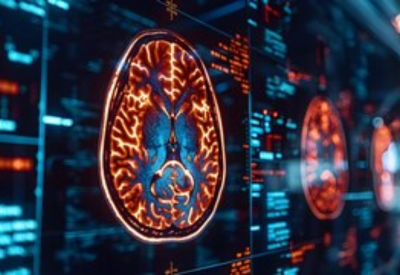
South Korean researchers have unveiled a pioneering AI model that could redefine personalized cancer vaccines by incorporating B-cell immune responses, offering stronger, longer-lasting protection against tumor recurrence. The breakthrough comes from a collaboration between Professor Choi Jung-kyoon’s team at the Korea Advanced Institute of Science and Technology (KAIST) and biotechnology firm Neogenlogic.
Current cancer vaccines primarily activate cytotoxic T-cells for immediate tumor attacks, but emerging evidence shows B-cell-mediated immune memory is essential for sustained defense. The new AI framework addresses this gap: it learns structural interactions between mutant peptides (neoantigens) and B-cell receptors to predict which neoantigens will elicit powerful B-cell activation creating “immune memory” that prevents cancer return.
Key innovations
Dual prediction: World’s first to forecast both T-cell and B-cell immunogenicity.
High accuracy: Validated against massive genomic datasets and real-world clinical trial data from leading vaccine developers.
Integration: Fully embedded in Neogenlogic’s DeepNeo discovery engine for rapid neoantigen selection.
Neoantigens unique mutation-derived proteins on tumor cells serve as “fingerprints” for training the immune system. By prioritizing those sparking B-cell memory, the model promises vaccines with superior long-term efficacy.
The team is advancing preclinical development of a personalized vaccine platform, aiming for U.S. FDA Investigational New Drug (IND) submission and clinical trials in 2027.
This advancement positions South Korea at the forefront of AI-driven immuno-oncology, potentially transforming outcomes for patients facing recurrence risks.