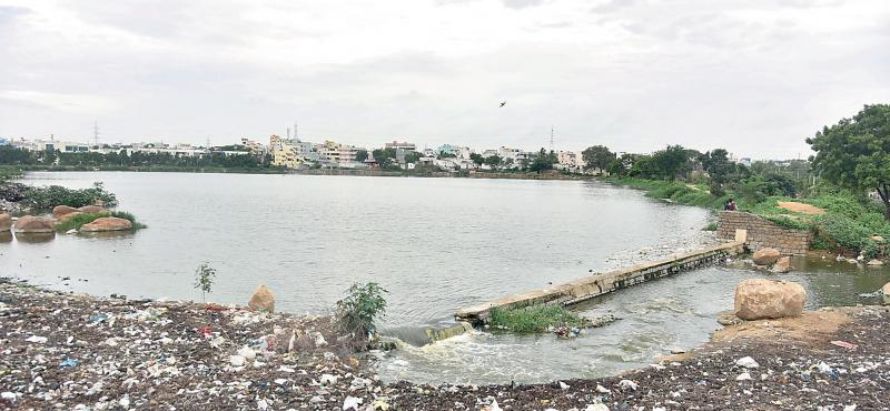
Researchers at MANUU have sounded alarm about Hyderabad’s major drinking water sources, Osmansagar and Himayatsagar, showing striking deterioration in quality over the past six years. The Water Quality Index (WQI) for Osmansagar fell from 495 to 77, while Himayatsagar dropped from 296 to 102 now nearing levels deemed unsafe for consumption.
The study attributes the decline to untreated sewage influx, industrial effluents, agricultural runoff, and algal blooms. Elevated levels of E. coli, faecal coliform bacteria, and toxic heavy metals were also detected. This degradation threatens public health, aquatic ecosystems, and groundwater recharge.
Experts and citizen groups are demanding immediate action stricter industrial regulation, modern sewage systems, watershed buffer zones, and community cleanup drives. Without swift safeguards, these water bodies could become epicenters of waterborne diseases.