Glimpse:
In a major push to make mental health services more inclusive, India’s Health Minister unveiled new upgrades to the Tele-MANAS mental health app. Key features include a multilingual user interface supporting ten regional languages, a conversational chatbot “Asmi”, better accessibility for the visually impaired, and an emergency module for crisis situations. Since its inception, Tele-MANAS has handled over 2.8 million calls, averaging around 4,000 user interactions daily. The updated app is expected to further democratize access to counselling and psychological support, especially in underserved regions, by reducing language and accessibility barriers and enhancing user engagement and responsiveness.
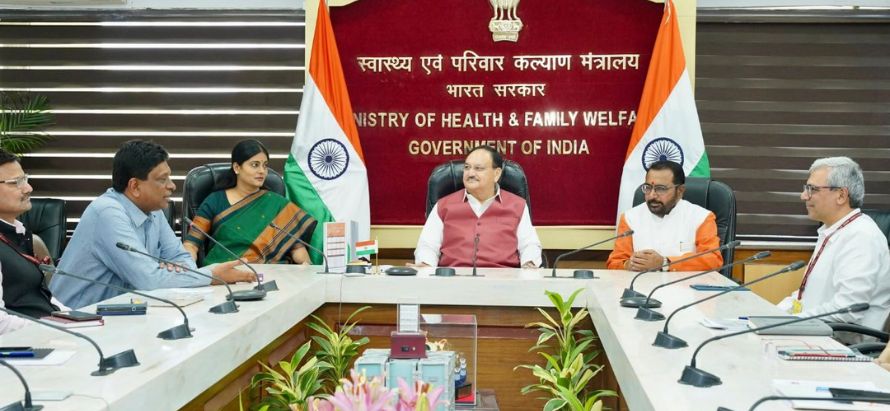
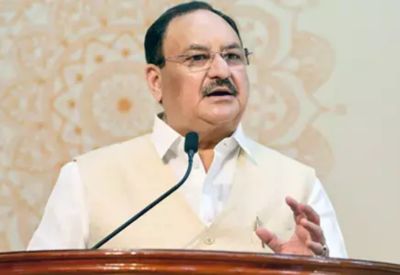
Mental health support just got a serious upgrade in India. On World Mental Health Day 2025, Union Health Minister J.P. Nadda unveiled a refreshed version of the Tele-MANAS app one that’s more accessible, inclusive, and smart about connecting people to timely help.
The upgrade isn’t cosmetic. The app now speaks in 10 regional languages (beyond English and Hindi) including Tamil, Telugu, Malayalam, Kannada, Marathi, Bengali, Gujarati, Assamese, Odia, and Punjabi so that people can seek help in their own tongue. That’s huge when it comes to comfort and clarity during emotional distress.
Accessibility got attention too. The redesign includes features aimed at visually impaired users, making navigation smoother and content more usable. Then there’s “Asmi,” the built-in chatbot, enabling users to engage, ask questions, or get initial guidance before connecting with a human counsellor. And for moments of acute crisis, an emergency module is in place to provide immediate, structured support.
Tele-MANAS has already been doing solid work: since launch, it has handled close to 2.8 million calls, in over 20 languages, with an average of about 4,000 daily interactions. Users of all genders are reaching out, which signals growing awareness and reduced stigma.
What this upgrade does is lower the barriers to help. Someone in a remote village might now navigate the app in their mother tongue, get guidance via Asmi instead of freezing in silence, or access emergency protocols when they feel overwhelmed. Over time, these small changes in design could make a big difference in outcomes and reach.
Still, challenges lie ahead: the effectiveness of the chatbot in handling nuanced emotional distress, ensuring reliable connectivity in rural or low-bandwidth settings, training counsellors to integrate new workflows, and continuous feedback to refine the user experience.
If implemented well, this upgraded Tele-MANAS could be a key pillar in India’s mental health infrastructure bridging gaps in access, reducing stigma, and putting timely support within reach of more people than ever.