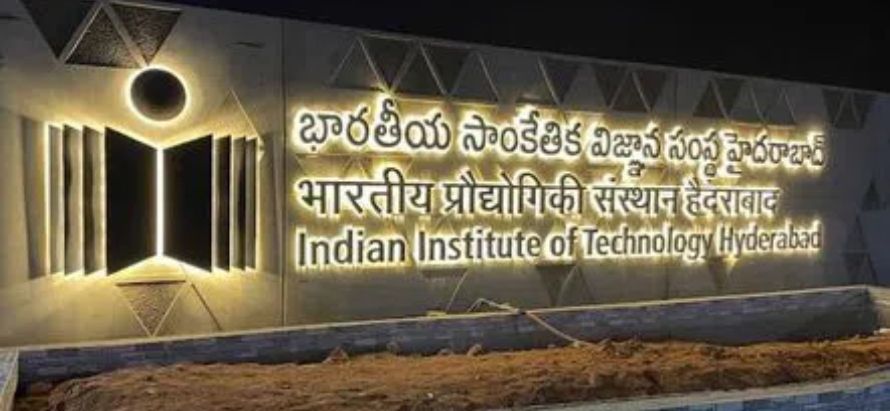
Researchers at IIT Hyderabad have developed a non-invasive AI diagnostic platform aimed at transforming how brain tumours particularly gliomas are diagnosed and treated. Traditionally, oncologists rely on MRI imaging to locate tumours and then perform a surgical biopsy by drilling into the skull to extract tissue, analyse its genetics and grade its aggressiveness. This procedure carries risks of bleeding, infection and neurological injury.
The new tool, RadGLO, builds on the field of radiomics treating MRI images as data sets from which thousands of quantitative features (texture, shape, intensity patterns) are extracted and then correlated with underlying tumour biology. By feeding these radiomic features into machine-learning models, the platform can predict tumour grade (high vs low), prognostic risk groups, and link imaging features to nearly 20,000 genes. RaSPr, the sister module, classifies patients into high-risk or low-risk survival groups, enabling physicians to tailor therapies more accurately.
Clinicians and researchers can upload an MRI scan to RadGLO’s interactive web-platform, which then returns predictive analytics and genetic correlations — allowing for planning of personalised treatment without necessarily performing an invasive biopsy when clinically appropriate. Beyond risk stratification, the technology promises faster decision-making, less reliance on costly genetic labs, and broader access especially in regions where surgical resources may be constrained.