Glimpse:
With this lab, tests for complement system components and pathways such as C3, C4, C5, C1q, Factor B, Factor H antibodies, AH50, C1-INH functional assays are now available in India. The facility, built to CAP and NABL standards with advanced immunoturbidimetric and ELISA platforms, aims to reduce diagnostic delays in autoimmune and immune-mediated diseases.
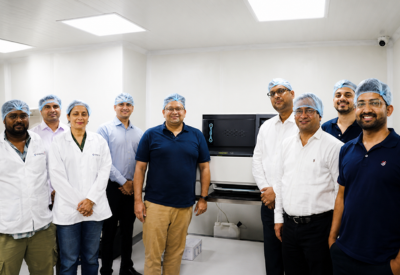
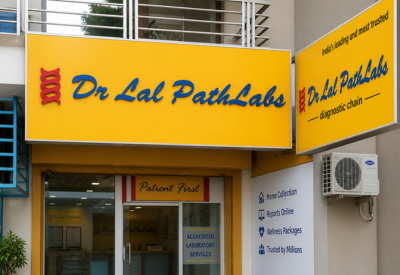
In a significant upgrade for immunology diagnostics, Dr. Lal PathLabs has inaugurated India’s first dedicated Complement Testing Laboratory. The move expands the country’s diagnostic repertoire to include comprehensive evaluation of the complement system a critical but under-served area in routine diagnostics.
The complement system comprising a network of blood proteins responsible for fighting infections, clearing damaged cells, and regulating inflammation — plays a central role in immune function. When this system malfunctions (either by being underactive or hyperactive), it can lead to repeated infections, severe inflammatory responses, or autoimmune damage. Disorders linked to complement imbalance include autoimmune diseases such as lupus, vasculitis, kidney conditions like C3 glomerulopathy or atypical haemolytic uremic syndrome (aHUS), recurrent infections, transplant rejection, and even severe sepsis.
The new lab offers both functional assays (which test how well complement pathways work, e.g. CH50 / AH50), and antibody-based assays (which detect abnormalities in specific complement proteins or regulatory factors e.g. C1q, Factor H antibodies, C5, etc.) According to DLPL’s Executive Director, Dr. Vandana Lal, complement diagnostics have long been under-represented in India’s diagnostic landscape. This launch aims to bridge that gap giving clinicians the tools to diagnose immune-mediated and inflammatory disorders more precisely and earlier in the disease course. DLPL’s CEO, Shankha Banerjee, emphasized that this comprehensive complement-testing platform marks a “major step toward faster diagnosis, better treatment decisions and improved outcomes” for patients with complex immune diseases.
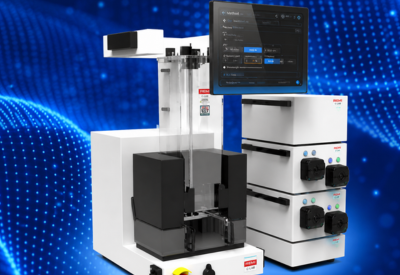
Technically, the new Complement Lab is equipped with cutting-edge immunoturbidimetric and ELISA platforms, and operates under CAP (College of American Pathologists) and NABL accreditation standards ensuring global-level quality and reliability. nting with non-specific symptoms — such as recurrent fevers, joint pain, fatigue, kidney abnormalities or unexplained inflammation this facility could dramatically shorten the diagnostic odyssey. For clinicians, it offers a more definitive way to differentiate between overlapping syndromes, plan targeted treatment, and monitor therapy response.
Overall, the move places India on a stronger footing for immunology diagnostics a domain where delays or misdiagnoses were common due to limited test availability.