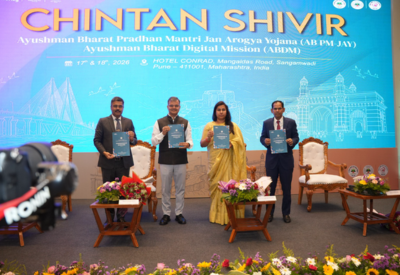
India’s ambitious Ayushman Bharat Digital Mission (ABDM) and broader digital health initiatives promise seamless records, telehealth, and preventive care but a persistent digital divide risks excluding millions. Rural residents, elderly, low-literacy groups, women, and marginalized communities face barriers like poor infrastructure, low digital literacy (~25% rural vs. 61% urban), privacy fears, and limited perceived benefits, potentially widening inequalities unless addressed through targeted literacy, hybrid models, and inclusive design.
India’s digital health revolution anchored by the Ayushman Bharat Digital Mission (ABDM) has made impressive strides: over 420 million ABHA health IDs issued, 182,000+ wellness centres digitized, and tools like Scan & Share reducing OPD queues. Yet, beneath the headlines lies a stark digital divide that threatens to leave large swathes of the population behind.
Rural vs. Urban Gap ~65-70% of Indians live rurally, but digital infrastructure remains skewed urban. Rural digital literacy hovers ~25% vs. 61% urban; smartphone ownership and reliable internet lag significantly. Initiatives like eSanjeevani telemedicine succeed in pilots but falter where connectivity fails leaving rural patients reliant on distant facilities and missing preventive alerts.
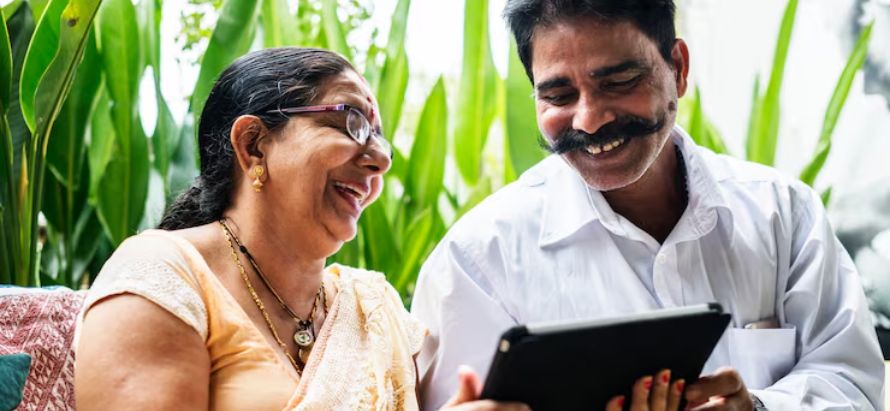
Elderly & Low-Literacy Populations Older adults (>60 years, ~10% population) show low digital/health literacy (11-27% in studies). Physical barriers (vision, dexterity) and limited exposure compound issues many depend on family for app use or avoid digital tools entirely. Low-literacy groups struggle with interfaces, consent forms, and perceived complexity.
Gender & Socioeconomic Disparities Women, especially rural, face compounded divides: lower device access, cultural restrictions, and literacy gaps. Marginalized communities (tribal, low-income) risk “invisibility” in systems requiring Aadhaar/digital IDs, echoing welfare scheme exclusions.
Privacy & Trust Concerns Patients willingly share data with doctors/pharmacists but resist broader access (e.g., pharma companies) fearing misuse/exploitation. High phishing vulnerability and breach risks erode confidence—directly lowering adoption.
Frontline Workers’ Burden ASHAs and community health workers bear extra digital loads (apps, reporting) without adequate training/infrastructure—amplifying inequities in delivery.
Awareness & Utility Perception Many view ABHA/digital tools as low-utility due to limited integrated services or awareness~40% penetration reflects this.
Path Forward Experts advocate:
- Digital literacy drives targeting rural/elderly/women.
- Hybrid models blending in-person reassurance.
- Granular consent & transparency for trust.
- Infrastructure push (broadband, affordable devices).
- Community enablers leveraging family/local support.
Without these, digital health risks amplifying divides contradicting “Health for All.”