The Indian Council of Medical Research (ICMR) has launched an ambitious programme to develop a single, rapid multiplex diagnostic test capable of simultaneously identifying multiple infectious pathogens responsible for acute febrile illness, respiratory syndromes, and sepsis-like presentations. The project, which received formal approval and funding allocation in early 2026, addresses one of the most persistent challenges in Indian clinical practice: the difficulty of quickly distinguishing between bacterial, viral, fungal, and atypical causes of fever in settings where syndromic management often leads to overuse of broad-spectrum antibiotics, delayed targeted therapy, and poor outcomes.
Current diagnostic workflows in India typically rely on sequential or single-pathogen tests (rapid malaria, dengue NS1, typhoid IgM, blood culture, etc.), which are time-consuming, expensive when repeated, and frequently unavailable in primary care or rural facilities. As a result, clinicians often resort to empirical antibiotics, contributing to antimicrobial resistance a crisis ICMR has repeatedly flagged in its surveillance reports.
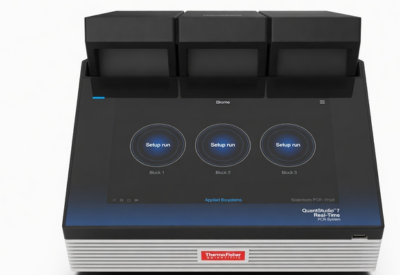
The proposed multiplex platform aims to change this by detecting 10–15 priority pathogens in a single sample (blood, respiratory swab, or urine) within 30–90 minutes. Technologies under evaluation include CRISPR-Cas-based detection, loop-mediated isothermal amplification (LAMP) multiplex panels, and portable next-generation sequencing workflows optimised for low-resource settings. The test will provide both pathogen identification and select antimicrobial resistance markers to guide rational prescribing.
Dr. Samiran Panda, ICMR Senior Scientist and advisor to the project, explained: “In India, fever is one of the commonest reasons for outpatient visits and hospital admissions. Yet we often treat blindly because rapid, broad-spectrum diagnostics are not available at the point of care. A single test that can rule in or rule out the major culprits within an hour would revolutionise how we manage acute infections saving lives, reducing antibiotic misuse, and preserving our antimicrobial arsenal.”
The project is being executed through a consortium of ICMR institutes (including NIV Pune, NCDC Delhi, and RMRCs), medical colleges, and private sector partners with expertise in molecular diagnostics and point-of-care device engineering. Phase I focuses on assay development and analytical validation, with Phase II planned for multi-centre clinical performance evaluation across urban tertiary centres, district hospitals, and rural primary facilities in 2026–27.
Early prototype evaluations have reportedly shown sensitivity and specificity exceeding 95% for key pathogens in controlled laboratory settings. Field trials will assess real-world performance, user acceptability among clinicians and lab technicians, and impact on treatment decisions and patient outcomes.
The initiative aligns with national priorities to combat antimicrobial resistance, strengthen One Health surveillance, and improve fever case management under programmes such as the National Programme for Prevention and Control of Cancer, Diabetes, Cardiovascular Diseases and Stroke (NPCDCS) and Integrated Disease Surveillance Programme (IDSP).
If successful, the multiplex test could become a cornerstone of India’s point-of-care diagnostic strategy offering a scalable, cost-effective solution that brings precision infectious disease diagnostics closer to every patient, regardless of geography.