Mahajan Imaging & Labs one of India’s leading diagnostic and imaging networks has formally introduced an AI-integrated blood biomarker test for Alzheimer’s disease as part of its Dementia Diagnostic Series. The new diagnostic pathway unites advanced laboratory testing with imaging modalities such as MRI brain scans and 18F-FDG PET scans, driven by artificial intelligence and structured clinical interpretation.
At the heart of this innovation is the pTAU217/β-Amyloid1-42 blood biomarker test, which has received regulatory approval from both the U.S. Food and Drug Administration (USFDA) and India’s Central Drugs Standard Control Organisation (CDSCO). This plasma biomarker test allows clinicians to detect Alzheimer’s-related biological changes well before clinical symptoms — such as memory loss or cognitive decline — become apparent.
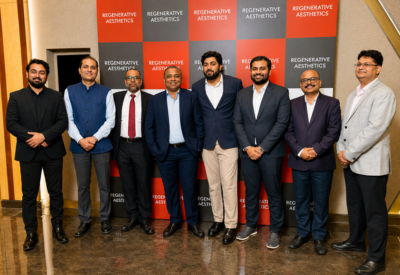
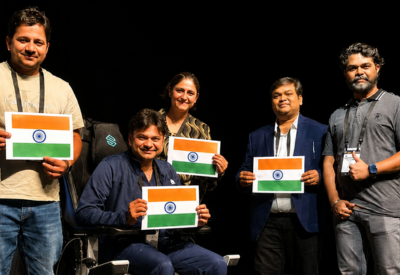
The expanded diagnostic pathway was unveiled during a scientific symposium held in Gurugram on January 18–19, 2026, titled “Integrating Next-Generation Alzheimer’s Blood Biomarkers with PET Brain Imaging: A New Paradigm in Early and Accurate Diagnosis.” The event brought together over 40 leading neurologists and imaging experts who analysed the shift from symptom-led diagnosis to biology-first frameworks and debated how combined lab-imaging diagnostics are reshaping Alzheimer’s care in India and globally.
Key medical and leadership figures at the symposium included:
Padma Shri Dr (Prof.) V.S. Mehta, Chairman Emeritus – Neurosciences, Paras Health (Guest of Honour)
Dr Sumit Singh, Chief of Neurology, Artemis Hospital (Moderator)
Padma Shri Dr M.V. Padma, Chairperson – Neurology, Paras Health, Gurugram
Dr Parveen Gupta, Chairman, Marengo Asia International Institute of Neuro & Spine (MAIINS)
Dr Ritu Verma, Director – PET-CT & Nuclear Medicine, Mahajan Imaging & Labs
According to statements made by Dr Harsh Mahajan, Padma Shri, Founder & Chairman of Mahajan Imaging & Labs, the high cost (up to ₹2 lakh) and limited availability of amyloid PET only imaging had previously restricted early, accurate Alzheimer’s diagnosis in India. The integrated blood + imaging framework aims to bridge access gaps, reduce diagnostic delays and enable early intervention, care-planning and monitoring over time.
Dr Ritu Verma highlighted that while the blood biomarker test serves as the primary decision-making tool, advanced MRI imaging helps evaluate structural brain changes (and rule out other causes such as stroke or tumours), and PET scanning is used selectively where it enhances diagnostic certainty.
The clinical pathway typically begins with the pTAU/Aβ1-42 test; positive or borderline results can be followed by MRI brain imaging and, if needed, 18F-FDG PET CT, with integrated clinical interpretation guiding care decisions. This approach is especially relevant for:
Individuals over 50 with memory concerns,
Patients with mild cognitive impairment (MCI),
Persons with a family history of Alzheimer’s, and
Cases where advanced imaging access may be limited.
Experts at the symposium noted that this integrated test aligns India with global trends in precision diagnostics and supports the development of future national guidelines potentially influencing Alzheimer’s care pathways not only in India but internationally.