Odisha’s Health Minister has confirmed that the state will soon fully implement the Ayushman Bharat Digital Mission (ABDM), with active steps already underway to issue ABHA IDs at scale, digitise health facilities, and integrate key services such as Scan & Share OPD registration, e-prescriptions, and telemedicine. The announcement reflects Odisha’s commitment to joining the national digital health ecosystem and improving care coordination, access, and efficiency for its residents.
Glimpse:
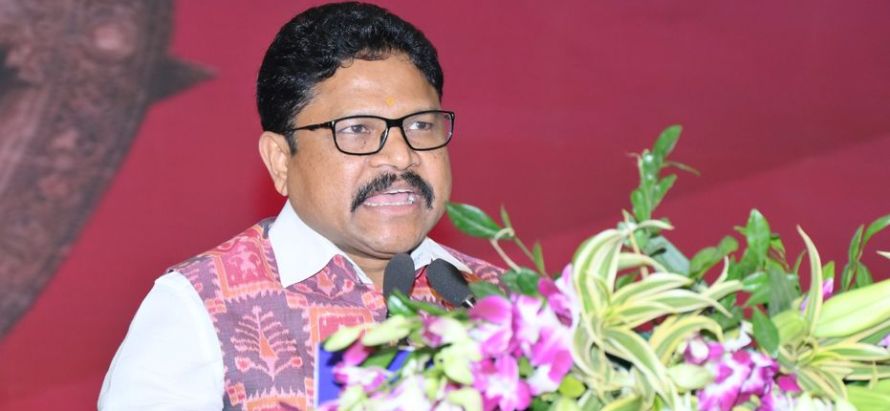
Speaking at a health department review meeting on January 19, 2026, Odisha Health Minister Mukesh Mahaling stated that the state is in the final stages of preparation and will begin large-scale ABDM rollout in the coming months. The focus is on creating ABHA IDs for all eligible citizens, linking public health facilities to the ABDM network, enabling paperless OPD processes, and expanding eSanjeevani telemedicine. The initiative aims to reduce patient wait times, eliminate duplicate testing, and ensure seamless continuity of care across urban and rural areas.
Odisha is preparing to join the national Ayushman Bharat Digital Mission (ABDM) ecosystem in full, with Health Minister Mukesh Mahaling confirming during a recent departmental review that implementation is now imminent. The minister stated that the state has completed necessary groundwork including infrastructure assessments, staff training, and system integrations and will soon begin issuing Ayushman Bharat Health Accounts (ABHA) at scale while connecting public health facilities to the national digital health network.
The rollout will prioritise digitisation of core services such as OPD registration through Scan & Share QR codes, issuance of e-prescriptions, sharing of lab and imaging reports, and seamless telemedicine consultations via eSanjeevani. These tools are expected to significantly reduce patient waiting times, eliminate the need for repeated diagnostic tests, and ensure that health records remain portable and accessible across different facilities with patient consent.
Minister Mahaling emphasised that Odisha’s large rural and tribal population makes digital health particularly important for bridging access gaps. “Many of our people travel long distances for basic follow-up care. ABDM will bring continuity and convenience to their doorstep through digital records and virtual consultations,” he said. The state has already piloted elements of ABDM in select districts and is now scaling up training for frontline health workers, medical officers, and administrative staff to ensure smooth adoption.
The initiative aligns with Odisha’s broader health reforms, including the expansion of eSanjeevani hubs, strengthening of Ayushman Bharat services, and integration of digital tools in new medical colleges and district hospitals. Officials expect the first phase of large-scale ABHA creation and facility onboarding to begin within the next few months, with full statewide coverage targeted over the coming year.
This move positions Odisha to join leading states such as Bihar, Andhra Pradesh, and Uttar Pradesh in achieving high levels of ABDM adoption. With over 420 million ABHA IDs already issued nationally, Odisha’s entry will further strengthen the mission’s goal of creating a unified, interoperable digital health ecosystem for 1.4 billion Indians.