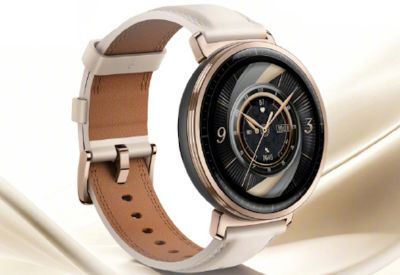
A new smartwatch launched in mid-January 2026 has introduced what its developers describe as the industry’s first consumer-grade cardiac arrest screening capability embedded in a wearable device. The product combines multi-wavelength photoplethysmography (PPG), accelerometer data, skin temperature, and AI-driven pattern recognition to continuously assess the risk of sudden cardiac arrest (SCA), alongside standard health metrics such as heart rate, blood oxygen saturation, stress levels, sleep stages, and activity tracking.
Unlike existing wearables that primarily detect atrial fibrillation or irregular rhythms after they occur, this device claims to identify preclinical warning signs such as abnormal heart rate variability patterns, repolarisation anomalies, and autonomic imbalance that precede SCA events in high-risk individuals. The underlying AI model was trained on a large, anonymised dataset of ECG-confirmed cardiac events, including ventricular tachycardia/fibrillation episodes, and validated through multi-centre clinical studies in India and Southeast Asia.
Key features of the smartwatch include:
Real-time SCA risk scoring updated every few minutes, displayed as a simple low/medium/high indicator
Immediate alerts to the user and emergency contacts when risk thresholds are crossed
Continuous 24/7 monitoring without requiring manual activation or specific activities
Integration with smartphone apps for sharing data with physicians and telehealth platforms
Long battery life (up to 7–10 days) and water resistance suitable for daily wear
The device is positioned as an affordable preventive tool for middle-aged adults, individuals with family history of sudden cardiac death, those with known risk factors (hypertension, diabetes, prior heart disease), and apparently healthy people seeking proactive screening. Priced to compete in the mid-to-premium segment of the Indian wearable market, it includes a companion app with personalised health insights, lifestyle recommendations, and one-tap emergency SOS functionality.
Early clinical validation studies cited by the manufacturer reported sensitivity above 90% for detecting high-risk ECG patterns associated with impending SCA, with false positive rates low enough to avoid excessive user anxiety. Independent cardiologists have welcomed the concept but emphasised the need for large-scale, prospective outcome trials to confirm real-world effectiveness in preventing sudden death events.
The launch aligns with growing interest in preventive cardiology wearables in India, where sudden cardiac arrest remains a leading cause of mortality in the 30–60 age group. The device is already available in select markets, with nationwide rollout planned over the coming months.