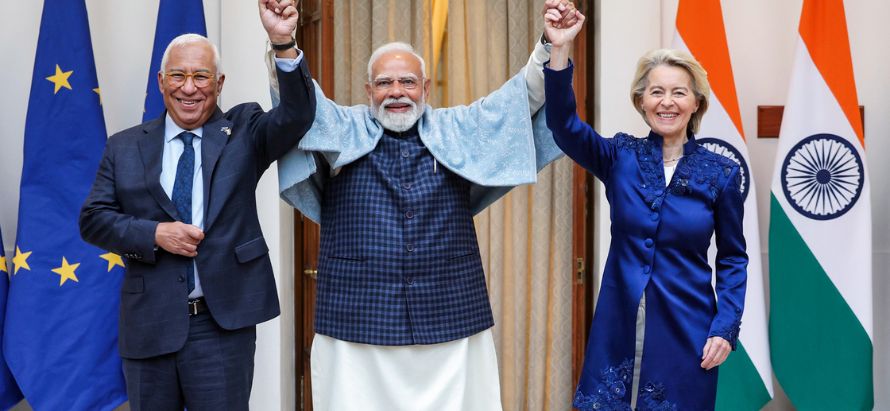
The India-European Union Free Trade Agreement, concluded after more than 13 years of talks, is poised to fundamentally alter the dynamics of India’s pharmaceutical and medical devices industries. The comprehensive deal, which entered provisional application in mid-2026 following ratification processes in both jurisdictions, covers nearly all aspects of bilateral trade in goods and services, with healthcare products emerging as one of the most transformative chapters.
For pharmaceuticals, the FTA eliminates tariffs on the vast majority of active pharmaceutical ingredients (APIs), finished dosage forms, and biologics originating from the EU, bringing duties down from the previous 5–10% range to zero or near-zero levels over a phased schedule. In return, Indian generic and biosimilar exporters will benefit from significantly lower tariffs and faster market access in the EU, particularly for complex generics and biosimilars facing patent cliffs in the coming decade. The agreement also includes provisions for regulatory cooperation, including mutual recognition of Good Manufacturing Practice (GMP) inspections and streamlined marketing authorisation pathways, which are expected to reduce approval timelines for Indian companies entering Europe by 12–18 months.
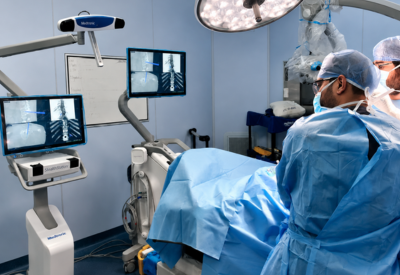
In the medical devices sector, the FTA removes or sharply reduces duties on high-value imports such as imaging equipment (MRI, CT, ultrasound), surgical instruments, implants, in-vitro diagnostics, and patient monitoring systems. This is anticipated to lower procurement costs for Indian hospitals and diagnostic chains, improve technology access, and accelerate adoption of advanced devices in both public and private sectors. In exchange, Indian device manufacturers particularly those producing disposables, low-to-mid-tech equipment, and certain diagnostics gain preferential tariff treatment in the EU, supporting export growth to a market valued at over €150 billion annually.
However, the agreement has sparked debate within India’s domestic industry. While exporters and large pharma houses welcome the tariff reductions and regulatory alignment, domestic manufacturers and industry associations have raised concerns about potential market flooding by EU-origin high-end devices and APIs, which could pressure pricing and localisation efforts. The government has committed to maintaining existing safeguards under the Production Linked Incentive (PLI) scheme for medical devices and bulk drugs, as well as public procurement preferences for Make in India products, to mitigate these risks.
The FTA also includes important provisions on intellectual property, such as extended data exclusivity periods for new chemical entities and biologics, stronger enforcement against counterfeit medicines, and commitments to transparency in patent procedures. While these measures align India closer to EU standards, they have been welcomed cautiously by domestic generics manufacturers, who see potential for faster resolution of patent disputes but remain vigilant about any erosion of compulsory licensing flexibilities.
Overall, the India-EU FTA is expected to reshape supply chains, accelerate technology transfer, lower costs for patients in certain segments, and boost India’s export competitiveness in generics, biosimilars, and select medical devices. At the same time, it places renewed pressure on domestic industry to innovate, scale, and compete on quality and cost to maintain market share in an increasingly open environment.