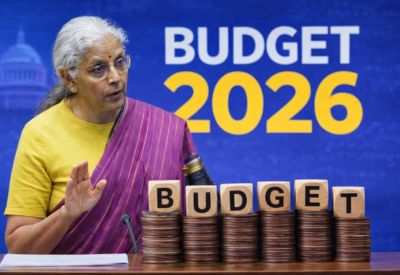
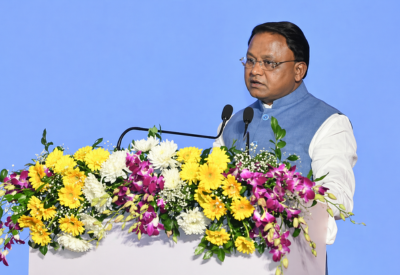
Finance Minister Nirmala Sitharaman presented the Union Budget 2026–27 on February 1, 2026, with a pronounced emphasis on shifting India’s healthcare strategy from predominantly curative to preventive and chronic disease-focused care. The budget recognises that non-communicable diseases (NCDs) have overtaken communicable diseases as the leading cause of mortality and morbidity, driving a significant reorientation of resources and policy direction.
The total health sector allocation has risen by 22% over the previous year, with a clear spotlight on chronic conditions. A new ₹8,000 crore envelope has been created specifically for scaling up screening, early diagnosis, and management of diabetes, hypertension, cardiovascular diseases, cancers, chronic respiratory diseases, and mental health disorders. This includes expanding the National Programme for Prevention and Control of Non-Communicable Diseases (NPCDCS) to cover every district with dedicated NCD clinics, mobile screening units, and community-based risk assessment camps.
The budget strengthens integration of technology into chronic care delivery. Funding has been earmarked to enhance the Ayushman Bharat Digital Mission (ABDM) with AI-driven risk stratification tools, predictive analytics for high-risk patients, and automated reminders for medication adherence and follow-up. Telemedicine and home-based care pilots for chronic patients will receive dedicated support, including subsidies for remote monitoring devices and training for frontline health workers (ASHAs and ANMs) to use digital tools effectively.
Incentives have been introduced to encourage private-sector participation in chronic care, including tax benefits for companies setting up NCD-focused diagnostic and treatment facilities in underserved districts, and performance-linked payments for achieving better control rates in hypertension and diabetes cohorts. The budget also allocates funds to upgrade primary and secondary care facilities with point-of-care diagnostics, enabling earlier detection and management closer to communities.
Finance Minister Sitharaman underscored the economic rationale: “Chronic diseases are not just a health challenge they are a major driver of household impoverishment and lost productivity. By investing in prevention and early management, we reduce long-term costs, protect families from catastrophic expenses, and build a healthier, more productive workforce.”
The budget also continues support for cancer care infrastructure, mental health programmes, and nutrition initiatives under Poshan Abhiyaan, recognising their intersection with chronic disease burden. Several states have welcomed the increased flexibility in central funding to tailor NCD strategies to local epidemiology.
While the allocations represent a meaningful step forward, experts note that effective implementation will depend on strong state-level execution, workforce training, supply chain reliability for medicines and devices, and robust monitoring of outcomes. The coming year will test whether this strategic pivot translates into measurable reductions in NCD-related morbidity, mortality, and economic burden.