Glimpse:
Luffu, launched in limited public beta as a mobile app with future hardware expansion, uses AI to integrate fragmented health information from wearables, patient portals, prescriptions, calendars, and user inputs via voice, text, or photos. It establishes household-specific health baselines, detects deviations, automates pattern recognition, and provides natural-language insights without constant user effort. Aimed at the millions of family caregivers especially those balancing childcare and elder care Luffu shifts health tech from individual tracking to shared family responsibility, emphasizing privacy, consent, and reduced mental load.
Two years after exiting Google following Fitbit’s acquisition, co-founders James Park and Eric Friedman are back in the health tech space with Luffu, a groundbreaking AI-powered platform designed to transform how families manage health collectively. Pronounced “loo-foo,” Luffu positions itself as an “intelligent family care system” that addresses the realities of multi-generational households, where health responsibilities often fall on one primary caregiver sometimes called the “CEO of the family.”
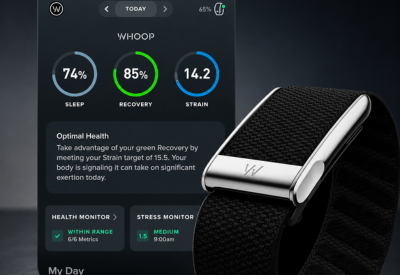
The platform starts as a mobile app in a limited public beta (accessible via waitlist at luffu.com) and plans to expand into complementary first-party hardware, such as ambient sensors for automated data collection. Luffu pulls together disparate health data from connected wearables (including legacy Fitbit devices), Apple Health, patient portals, lab reports, prescriptions, appointment calendars, messages, and even casual family conversations. Users can log updates effortlessly through voice memos, text notes, or photos like snapping a prescription label or describing symptoms.
What sets Luffu apart is its “quiet AI” approach: rather than demanding constant interaction like a chatbot, the system runs in the background to learn each household’s unique rhythms and baselines. It flags meaningful deviations that could signal emerging issues, automates reminders and pattern insights, and allows natural-language queries for quick answers such as checking if a family member took their medication or how a diet change might impact sleep. This proactive yet unobtrusive design aims to lighten the mental burden on caregivers, who often juggle kids, aging parents, partners, and even pets.
The inspiration stems from the founders’ personal experiences post-Fitbit. Park cited caring for his parents remotely amid language barriers and fragmented records, while Friedman highlighted how family health often becomes a shared yet overwhelming project. Privacy remains central: users maintain full control, with consent required for data sharing and AI training.
Experts see Luffu as a timely evolution in digital health, moving beyond solo fitness tracking to address the growing needs of family caregiving especially as populations age and chronic conditions rise. By fostering coordinated, early action without hovering, it promises greater peace of mind and potentially better health outcomes for entire households.