Glimpse:
The hospital’s robotic surgery team, led by experienced surgeons, conducted multiple telesurgeries spanning 1,200 km between Gujarat and Delhi. The procedures leveraged advanced robotic platforms, 5G/low-latency networks, and real-time haptic feedback to ensure precision and safety. This milestone demonstrates the feasibility of remote expert-led surgery for underserved regions, reducing travel for patients and enabling specialist access without physical presence.
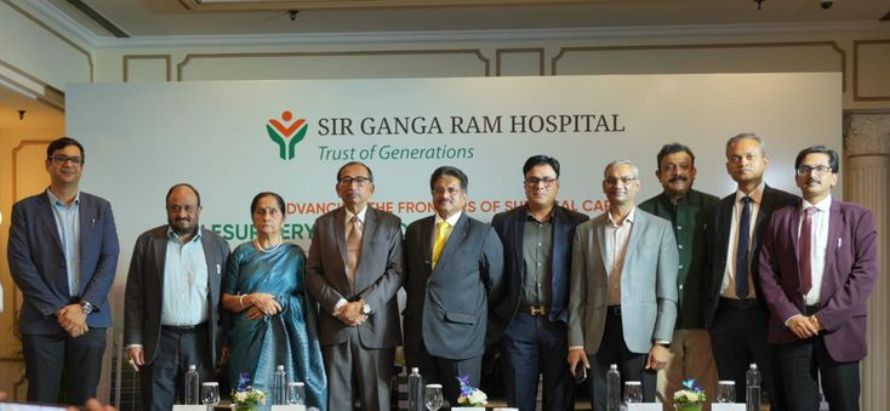
Sir Ganga Ram Hospital (SGRH) in New Delhi has achieved a significant breakthrough in telesurgery by successfully completing robotic procedures over a distance of approximately 1,200 km. Surgeons based in Gujarat remotely controlled the robotic surgical system in Delhi to perform complex interventions, showcasing the maturity of telesurgery technology in India.
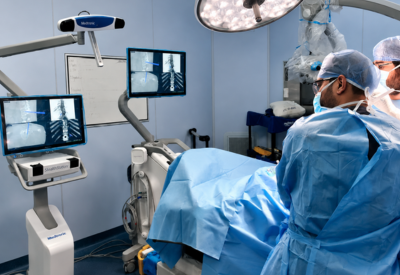
The surgeries were carried out using state-of-the-art robotic platforms equipped with high-definition 3D visualization, tremor filtration, and precise instrument control. Critical to success was the ultra-low-latency network connection likely supported by 5G or dedicated fibre links ensuring real-time transmission of video, haptic feedback, and control signals with minimal delay. Surgeons in Gujarat reported seamless hand-eye coordination and full situational awareness despite the vast distance.
The procedures included advanced laparoscopic and robotic interventions where remote expertise was critical. Patients benefited by receiving care from top specialists without needing to travel long distances, while the hospital demonstrated that telesurgery can safely bridge geographic gaps in access to skilled surgeons.
This achievement builds on India’s growing expertise in robotic surgery and aligns with national efforts to expand high-quality surgical care to tier-2 and tier-3 cities. It also highlights the potential of telesurgery for emergency interventions, training, and second-opinion scenarios in resource-constrained settings.
Experts see this as a stepping stone toward nationwide telesurgery networks, where super-specialists in metro cities can routinely operate on patients hundreds or thousands of kilometres away.