SigTuple, a Bengaluru-based healthtech leader in AI-powered diagnostics, has introduced AS76, its latest AI-driven digital morphology analyzer designed specifically for hematology labs. The system automates the analysis of peripheral blood smears, bone marrow aspirates, and body fluids, delivering high-accuracy differential counts, morphological insights, and flagging of abnormal cells in minutes reducing manual microscopy workload, minimizing errors, and improving turnaround time for critical hematology reports.
Glimpse:
AS76 uses deep learning models trained on millions of Indian patient samples to classify over 30 cell types and subtypes with >98% accuracy, detect blasts, atypical lymphocytes, malaria parasites, and other abnormalities, and generate standardized, audit-ready reports with visual annotations. The analyzer integrates seamlessly with existing lab workflows, supports remote pathologist review, and complies with NABL and ICMR guidelines. Early adopters report 70–85% reduction in manual slide review time, fewer inter-observer variations, and faster delivery of critical results in high-volume labs.
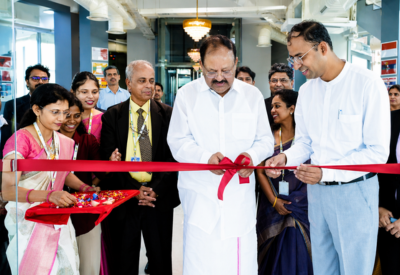
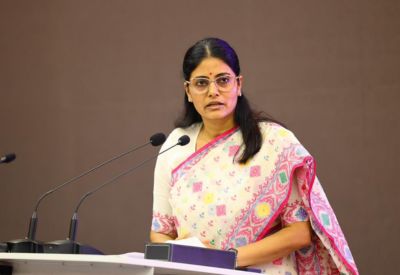
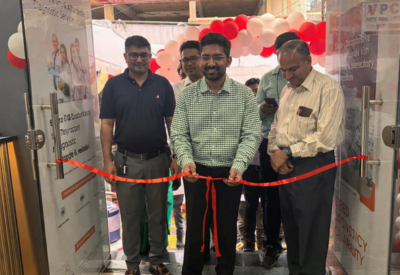
SigTuple, one of India’s pioneering AI healthtech companies, has officially launched AS76 its next-generation AI digital morphology analyzer built to modernize hematology workflows in diagnostic laboratories across the country. The product was unveiled at a high-profile event in Bengaluru attended by leading pathologists, lab directors, hospital administrators, and representatives from NABL and ICMR
AS76 is a fully automated digital slide scanner and AI analyzer that processes peripheral blood smears, bone marrow aspirates, and various body fluids with exceptional speed and precision. The system captures high-resolution whole-slide images and applies advanced deep convolutional neural networks trained on one of the largest annotated Indian hematology datasets (over 10 million cell images from diverse patient populations). It classifies more than 30 white blood cell types and subtypes, red cell morphologies, platelet estimates, and identifies clinically significant abnormalities such as blasts, atypical lymphocytes, malaria parasites, microfilaria, and immature granulocytes.
The analyzer generates standardized, customizable reports with clear visual heatmaps, cell galleries, and quantitative differentials all within minutes of slide loading. Pathologists can review AI pre-classified slides remotely through a secure web interface, accept or override classifications, and add comments before final sign-off. The entire workflow is designed to comply with NABL accreditation requirements, ICMR guidelines, and ABDM interoperability standards, with full audit trails and data encryption.
Dr. Rohit Kumar Pandey, Chief Pathologist at one of the early adopter labs, shared that AS76 has reduced manual microscopy time by 70–85% for routine CBC differentials while maintaining or improving diagnostic accuracy, particularly for abnormal smears that previously required extensive manual review. The system has also shown strong performance in detecting subtle morphological changes in cases of leukemia, anemia, and infectious diseases prevalent in India.
SigTuple has already deployed AS76 in several large private labs, hospital chains, and reference laboratories in Karnataka, Telangana, Maharashtra, and Delhi-NCR, with plans for pan-India rollout in the coming months. The company is also pursuing CDSCO approval as a Class C Software as Medical Device and international certifications (CE Mark, FDA 510(k)) for global markets.
The launch comes at a time when Indian diagnostic labs are under increasing pressure to handle rising test volumes, deliver faster reports, and maintain high accuracy amid a shortage of trained hematopathologists. By automating the most time-consuming and subjective part of morphology review, AS76 enables labs to scale operations, improve quality consistency, and redirect pathologist time toward complex cases and clinical correlation.