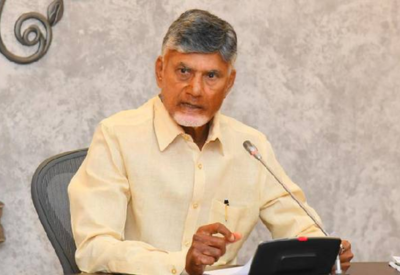
Andhra Pradesh Health Minister Satya Kumar Yadav announced the statewide deployment of AI-powered diagnostic and clinical tools in government hospitals to improve early detection, reduce diagnostic errors, and enhance treatment efficiency. The initiative covers AI-assisted radiology (chest X-rays for TB, CT/MRI interpretation), pathology slide analysis, predictive risk models for sepsis and deterioration, and telemedicine enhancements aiming to strengthen public healthcare delivery in urban and rural facilities.
Glimpse:
Speaking at a health sector review meeting on January 28, 2026, Minister Satya Kumar Yadav confirmed that AI tools are now live in over 100 government hospitals and medical colleges across Andhra Pradesh. The technologies sourced from Indian startups and validated by ICMR/NTRUHS focus on high-burden conditions (TB, diabetes complications, stroke, maternal health) and have already shown 25–45% faster reporting times, improved detection rates, and reduced workload for radiologists and pathologists. The state plans to expand coverage to all 175+ public hospitals by end-2026.
Andhra Pradesh Health Minister Satya Kumar Yadav has confirmed the successful deployment of AI-powered diagnostic and clinical support tools across government hospitals and medical colleges in the state. The announcement, made during a high-level health sector review meeting on January 28, 2026, marks a major milestone in the state’s digital health journey under the Andhra Pradesh Digital Health Mission and alignment with the national Ayushman Bharat Digital Mission (ABDM).
The AI tools developed by leading Indian health-tech companies and validated through ICMR and NTR University of Health Sciences (NTRUHS) protocols are now operational in over 100 facilities, including district hospitals, area hospitals, teaching hospitals, and select primary/urban health centres. Key applications include:
- AI-assisted chest X-ray analysis for tuberculosis and pneumonia detection
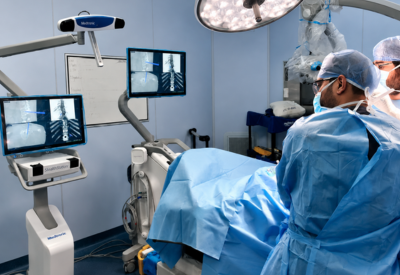
- Automated interpretation of CT/MRI scans for stroke, trauma, and neurological emergencies
- Digital pathology tools for faster analysis of blood smears, Pap smears, and histopathology slides
- Predictive models for early warning of sepsis, patient deterioration, and readmission risk
- Telemedicine enhancements with AI triage and specialist referral support
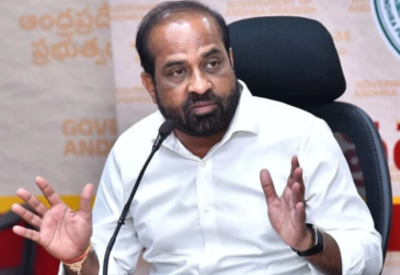
Minister Satya Kumar Yadav highlighted the impact: “AI is helping us bridge the gap in specialist availability, especially in rural and tribal areas. These tools are not replacing doctors they are empowering them to detect diseases earlier, reduce errors, and treat patients faster. In the first few months alone, we’ve seen faster TB case identification and better triage in emergency departments.”
The deployment is part of a broader state strategy to modernise public healthcare infrastructure, reduce diagnostic turnaround times, and improve outcomes for high-burden conditions. The government has allocated dedicated funds for training healthcare workers, ensuring data privacy (DPDP Act compliance), and integrating AI outputs with ABDM’s ABHA ecosystem for seamless patient record sharing.
The initiative has been welcomed by medical associations and public health experts, who note that Andhra Pradesh is emerging as one of the fastest adopters of AI in public-sector hospitals among Indian states. Plans are underway to extend coverage to all 175+ public hospitals and medical colleges by the end of 2026, with additional focus on maternal/child health, NCD screening, and mental health support.