Health systems worldwide are at a strategic crossroads: should they position themselves as comprehensive “infrastructure orchestrators” that coordinate integrated, patient centric care across the continuum, or double down as high efficiency “procedure factories” focused on volume driven, specialised interventions? The choice determines investment priorities, technology adoption, partnership models, and long-term sustainability in an era of rising costs, value-based reimbursement, and consumer expectations for seamless care.
Glimpse:
In 2026, leading health systems are increasingly choosing between two archetypes: the infrastructure orchestrator model (emphasising care coordination, digital platforms, population health, and partnerships) versus the procedure factory model (prioritising high-margin procedural volumes, centre of excellence branding, and operational throughput). Early evidence shows orchestrators gaining ground in value based contracts and patient loyalty, while procedure factories maintain advantages in profitability and specialist recruitment. Hybrid approaches are emerging, but most systems must eventually lean decisively toward one to avoid strategic dilution.
The healthcare industry’s evolving economics and consumer demands are forcing health systems to make a defining strategic choice: become an infrastructure orchestrator that owns the care journey or a procedure factory that excels at high acuity, high margin interventions.
Infrastructure Orchestrators focus on end to end care coordination:
- Heavy investment in digital platforms (EHR, patient portals, RPM, telehealth, AI triage)
- Population health analytics and risk stratification to manage chronic conditions
- Strong primary care networks and virtual care to keep patients out of hospitals
- Partnerships with payers, employers, post-acute providers, and community organisations
- Emphasis on total cost of care reduction, patient experience, and value-based contracts
Procedure Factories prioritise operational excellence in procedural care:
- Centre of excellence branding in high-revenue specialties (cardiology, oncology, orthopaedics, neurosurgery)
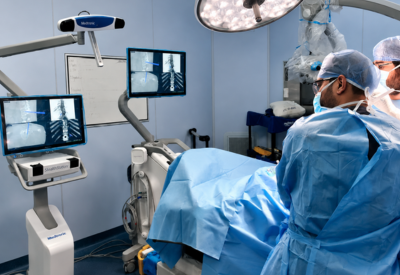
- High-volume, high-margin procedural throughput with robotic surgery, hybrid ORs, and short stay models
- Aggressive physician recruitment and alignment models (e.g., gain sharing, co-management)
- Focus on payer mix optimisation, price transparency, and direct-to-consumer marketing for elective procedures
- Lean operations and supply chain efficiency to maximise margins per case
Real-world evidence from 2025–2026 shows distinct outcomes:
- Orchestrators are capturing more lives under value-based contracts, reducing readmissions by 15–30%, and improving Net Promoter Scores through seamless transitions
- Procedure factories maintain stronger EBITDA margins (often 18–25% vs. 10–15% for orchestrators) and attract top specialists, but face vulnerability to site of service shifts (ASC migration, home-based care) and reimbursement pressure
Many systems attempt a hybrid model but risk strategic dilution spreading resources too thin to excel at either. Industry analysts note that successful hybrids usually start with a clear primary identity (orchestrator or factory) and layer the other as a complementary strength rather than equal priority.
Leading healthcare strategist observed: “The days of being everything to everyone are over. Health systems must decide: do we own the patient journey and coordinate care across settings, or do we become the undisputed best at the highest-acuity, highest-revenue procedures? Trying to win both races equally often means losing both.”
The choice is not merely operational it defines capital allocation, technology investments, partnership strategy, and talent recruitment for the next decade. As value based care accelerates and site of service shifts intensify, the strategic clarity of this decision will increasingly determine which health systems thrive and which merely survive.