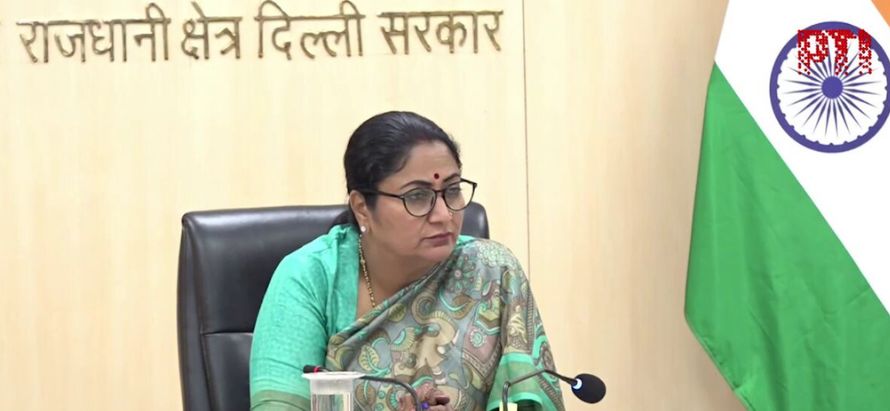
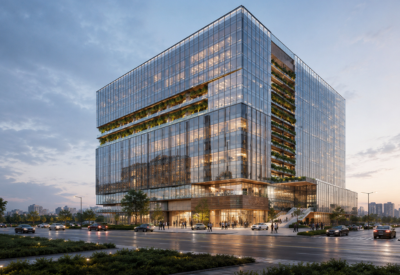
Delhi Chief Minister Rekha Gupta has unveiled an ambitious plan to create a unified AIIMS-style super medical hub by integrating several major public hospitals across the capital. The initiative aims to centralize advanced tertiary care, pool specialist expertise, streamline patient referrals, reduce duplication, and deliver world-class treatment within the city transforming Delhi’s fragmented public healthcare landscape into a cohesive, high-capacity centre of excellence.
Glimpse:
The proposed super medical hub will integrate prominent institutions such as Lok Nayak Hospital, GB Pant Hospital, Maulana Azad Medical College-associated hospitals, and others under a unified governance and operational framework. The project includes shared advanced diagnostics (MRI, CT, PET-CT, cath labs), centralized super-specialty departments (cardiology, neurosciences, oncology, transplants), digital health integration via ABDM, AI-assisted triage and resource allocation, and expanded capacity for critical care and research. The CM has allocated initial funding and directed fast-track planning to make the hub operational in phases over the next 3–5 years.
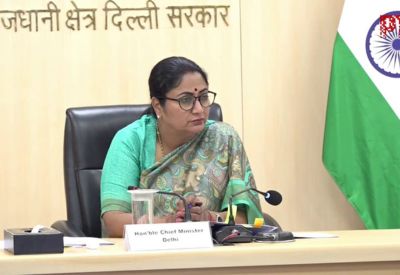
Delhi Chief Minister Rekha Gupta announced a transformative vision for public healthcare in the national capital during a press conference on February 27, 2026. She revealed plans to create an AIIMS-style super medical hub by integrating key government hospitals into a single, coordinated ecosystem that centralizes advanced tertiary and quaternary care services. The initiative seeks to address long-standing issues in Delhi’s public health system overcrowded facilities, fragmented specialist care, long referral delays, and patients being forced to seek treatment at private hospitals or outside the city due to capacity and expertise limitations.
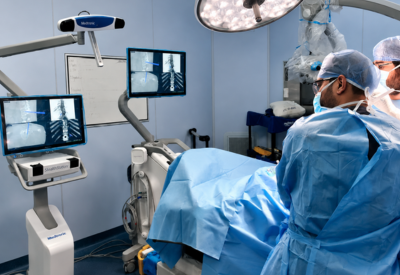
The proposed super hub will bring together major institutions including Lok Nayak Hospital (formerly Irwin Hospital), GB Pant Institute of Postgraduate Medical Education and Research, Maulana Azad Medical College and associated LNJP, Guru Nanak Eye Centre, and other prominent government facilities under a unified administrative and clinical framework. This integration will enable shared resources such as high-end diagnostic imaging (high-field MRI, multi-slice CT, PET-CT, advanced cath labs), centralized super-specialty departments for cardiology, neurosciences, oncology, organ transplantation, robotic surgery, and critical care. The hub will also feature expanded emergency services, trauma centres, and research wings to support medical education and innovation.
CM Rekha Gupta emphasized that the project will leverage digital health technologies under the Ayushman Bharat Digital Mission (ABDM), including AI-assisted triage, predictive bed occupancy management, centralized electronic health records, and telemedicine linkages to reduce unnecessary patient movement between facilities. The government has allocated initial funding for planning, feasibility studies, infrastructure upgrades, and technology integration, with phased implementation targeted over the next 3–5 years. The plan includes modernizing existing buildings, constructing new specialty blocks where needed, and recruiting additional specialists to ensure the hub can handle high patient volumes with quality care.
The Chief Minister highlighted that Delhi, despite having AIIMS and several large government hospitals, continues to face challenges in providing timely advanced care to its growing population. By creating a unified super hub, the government aims to minimize referrals to private facilities or other states, lower out-of-pocket expenses for residents, improve health outcomes through coordinated multidisciplinary care, and position Delhi as a model for urban public healthcare reform nationwide. The announcement has been welcomed by medical professionals and patient advocacy groups, who see it as a much-needed step toward strengthening public-sector capacity in the capital.