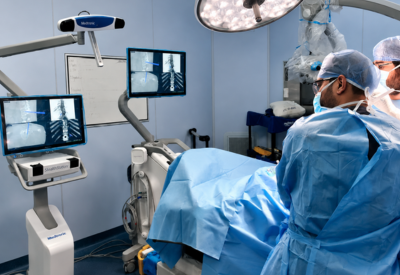
A massive cyberattack on Stryker, a leading global medical device manufacturer, has compromised and wiped data from approximately 200,000 connected devices, triggering widespread precautionary measures across hospitals in Michigan and several other U.S. states. The incident has disrupted critical workflows involving surgical navigation systems, endoscopy equipment, and orthopedic tools, prompting hospitals to revert to manual processes, cancel non-emergent procedures, and activate emergency protocols to maintain patient safety.
Glimpse:
The ransomware-style attack, detected in late February 2026, encrypted or wiped firmware and patient data on a large fleet of Stryker devices, rendering them inoperable without immediate manufacturer support. Michigan hospitals heavily reliant on Stryker’s Mako robotic systems, navigation platforms, and visualization equipment have declared internal emergencies, postponed elective surgeries, shifted to backup analog methods, and increased staffing to manage manual workflows. Stryker has mobilized crisis teams to restore devices, but full recovery could take weeks, raising concerns about patient risk, revenue loss, and broader supply-chain vulnerabilities in healthcare.
A sophisticated cyberattack targeting Stryker Corporation has severely compromised an estimated 200,000 connected medical devices worldwide, with hospitals across Michigan among the hardest hit. The breach, confirmed by Stryker on February 26, 2026, involved ransomware-like malware that encrypted or wiped critical firmware and configuration data on a wide range of Stryker products, including Mako robotic-arm surgical systems, surgical navigation platforms, endoscopy towers, orthopedic power tools, and visualization equipment used in operating rooms. The attack has rendered many devices unusable until firmware can be manually reinstalled or restored from secure backups a process that requires on-site technical intervention and could take days to weeks per facility.
Michigan hospitals, which rely heavily on Stryker technologies for joint replacements, spine surgeries, trauma procedures, and minimally invasive interventions, have declared internal emergencies and activated contingency protocols. Major systems including University of Michigan Health, Henry Ford Health, Corewell Health, and several community hospitals have postponed thousands of elective and semi-urgent procedures, diverted emergency cases where possible, and shifted to manual or alternative equipment for ongoing surgeries. Operating rooms are running with increased staffing to compensate for lost automation and navigation support, while clinicians revert to traditional techniques that increase operative time and physical strain. Hospital leaders have emphasized that patient safety remains the top priority, with no confirmed cases of direct harm from the disruption so far, though delays in scheduled care are causing significant anxiety for patients awaiting joint replacements, tumor resections, and other time-sensitive interventions.
Stryker has mobilized a large-scale response, deploying field engineers across affected regions, providing interim manual workarounds, and working with cybersecurity experts to isolate the breach and restore systems. The company has confirmed that no patient data appears to have been exfiltrated or publicly leaked, but the wiped device configurations have forced hospitals to treat each unit as potentially untrustworthy until validated. The FBI and U.S. Department of Health and Human Services (HHS) are assisting in the investigation, with early indicators pointing to a state-sponsored or financially motivated group exploiting vulnerabilities in legacy device firmware and unpatched hospital networks.
The incident has exposed the fragility of healthcare’s growing reliance on connected medical devices and third-party vendors. Michigan hospitals have activated crisis command centres, increased cybersecurity monitoring, and begun auditing other connected systems for similar risks. State health officials are coordinating with hospitals to prioritize emergency and oncology cases while advising patients with scheduled procedures to contact their providers for updates. The disruption is expected to continue affecting surgical schedules for weeks, highlighting the urgent need for robust backup protocols, offline capabilities, and diversified vendor strategies in critical care environments.