India and Russia are deepening their pharmaceutical partnership, with Moscow introducing attractive incentives to encourage Russian companies to establish local API (active pharmaceutical ingredient) manufacturing facilities in India. The move aims to reduce Russia’s dependence on imported APIs (largely from India and China), secure supply chains, lower drug prices, and foster joint ventures in generics, biosimilars, and vaccine production marking a new phase in bilateral pharma cooperation.
Glimpse:
During recent high-level talks, Russia offered tax breaks, land subsidies, expedited approvals, and guaranteed offtake agreements for companies setting up API plants in India. The incentives target critical APIs for antibiotics, oncology drugs, cardiovascular medicines, and essential generics, with several Russian firms already in advanced discussions. The partnership will also explore co-development of new drugs, technology transfer, and joint exports to third countries, leveraging India’s manufacturing scale and Russia’s R&D strengths to benefit both nations’ healthcare systems.
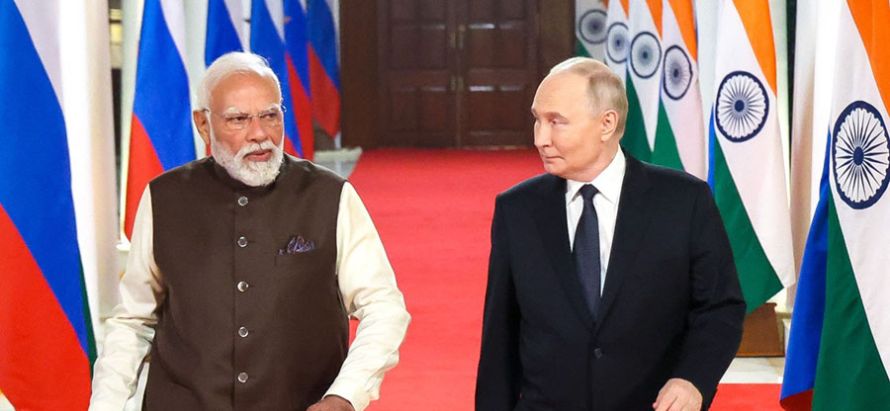
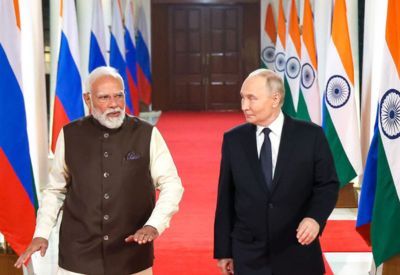
India and Russia are witnessing a significant acceleration in their pharmaceutical cooperation, with Moscow actively offering a package of incentives to encourage Russian pharmaceutical companies to establish local active pharmaceutical ingredient (API) manufacturing facilities in India. The development was highlighted during bilateral discussions held in late February 2026, where Russian officials presented detailed proposals aimed at reducing Russia’s heavy reliance on imported APIs currently sourced predominantly from India and China and building a more resilient, self-sufficient supply chain for essential medicines.
The incentives include substantial tax holidays, subsidized land allocation in special economic zones, fast-track regulatory approvals through a dedicated single-window mechanism, access to low-cost utilities, and guaranteed government procurement or offtake agreements for locally produced APIs. The focus is on critical categories such as antibiotics, oncology drugs, cardiovascular medicines, anti-diabetics, and other essential generics that face frequent global supply disruptions. Several Russian pharma majors have already entered advanced talks with Indian industrial parks and state governments, particularly in Gujarat, Telangana, Andhra Pradesh, and Uttar Pradesh, to explore joint ventures and greenfield projects.
The partnership extends beyond API manufacturing to include co-development of new generics and biosimilars, technology transfer for advanced formulations, joint clinical trials, and collaborative exports to third countries in Africa, Central Asia, and Latin America. Both sides emphasized that the collaboration will help lower drug prices in Russia by cutting import costs and logistics dependencies, while providing Indian manufacturers with stable, long-term demand and opportunities to upscale production of high-value intermediates. The initiative aligns with Russia’s broader strategy to achieve greater pharmaceutical self-sufficiency following lessons from pandemic-era supply chain vulnerabilities, and India’s ongoing push under the PLI scheme and National Medical Devices Policy to expand domestic API capacity.
Government officials from both countries described the incentives as a win-win framework that strengthens bilateral trade, creates skilled jobs in India, and ensures affordable access to essential medicines for millions in Russia. Early discussions have already identified 15–20 priority APIs for localized production, with the first projects expected to break ground within the next 12–18 months. The partnership is seen as a model for South-South cooperation in life sciences, combining Russia’s strong scientific research base with India’s world-leading manufacturing scale and cost competitiveness.
This development comes at a time when global pharma supply chains are under scrutiny, and both India and Russia are prioritizing strategic autonomy in critical healthcare inputs. The enhanced ties are expected to yield tangible benefits for patients in both nations through more stable supplies, reduced costs, and accelerated innovation in generics and essential medicines.