On World Health Day 2026 (April 7), the WHO South-East Asia Region has urged countries to adopt a stronger, science-led, and cross sectoral One Health approach to tackle complex health risks driven by climate change, environmental degradation, and evolving disease patterns. The call emphasises translating scientific evidence into rapid action to prevent pandemics and strengthen health systems.
Glimpse:
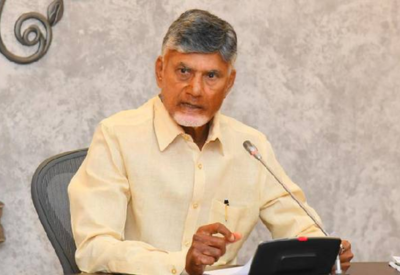
Dr. Catharina Boehme, Officer in Charge of WHO South-East Asia, highlighted the need for integrated surveillance, better data sharing, and sustained investment in science and analytics. The 2026 World Health Day theme, “Together for Health. Stand with Science”, underscores placing science at the centre of policies and preparedness. Examples include India’s expanded digital surveillance systems and Thailand’s whole of government approach for early detection of infectious diseases.
Marking World Health Day on April 7, 2026, the World Health Organization’s South-East Asia Region has called for urgent, science-led action and a stronger One Health approach to address increasingly interconnected health risks. Health threats in the region are being shaped by climate variability, environmental changes, and shifting disease dynamics, requiring coordinated efforts across human, animal, and environmental health sectors.
Dr. Catharina Boehme stressed that responding effectively demands stronger, science-led, and cross-sectoral strategies grounded in the One Health perspective. She highlighted the importance of turning evidence into early warnings, preparedness measures, and protection for vulnerable populations, especially amid intensifying extreme weather events.
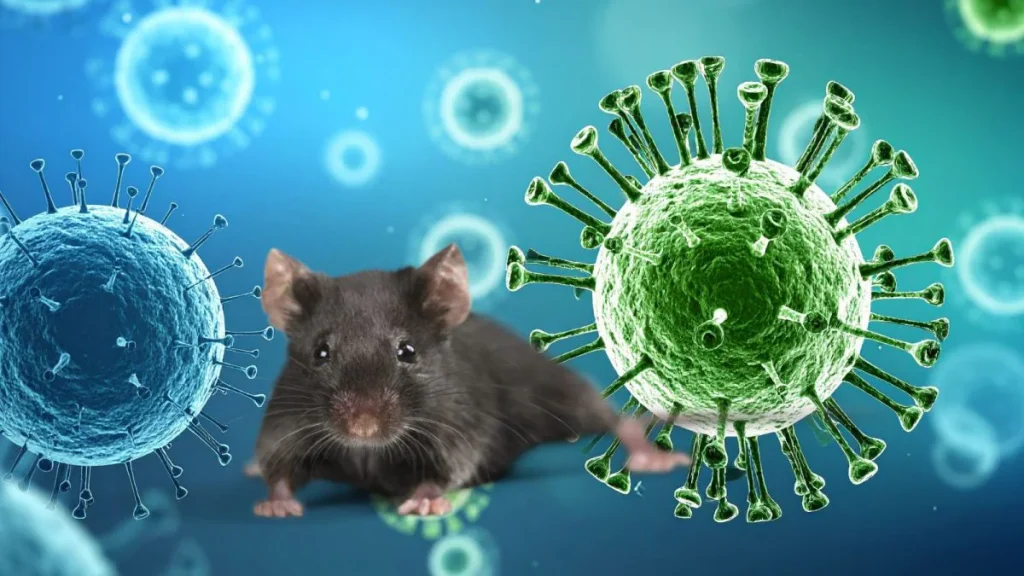
The One Health approach integrates climate science, public health, and multi-sectoral partnerships to deliver practical solutions. It supports better surveillance systems that are interoperable, improved data sharing across sectors, and sustained investment in scientific research and analytics. These measures are critical for timely detection and response to emerging threats such as antimicrobial resistance and zoonotic diseases.
Positive examples in the region include India’s expansion of digital surveillance systems that incorporate multiple data streams for early warning, and Thailand’s high-level political commitment combined with a whole of government strategy for detecting and responding to infectious diseases.
The call aligns with the Global Quadripartite framework (involving WHO, FAO, UNEP, and WOAH) and encourages countries to integrate One Health principles into national strategies. It also urges communities to seek reliable scientific information, adopt evidence based practices, and support protective public health measures.