Oura has acquired Galen AI to unify fragmented health data and accelerate the development of its AI-powered personal health platform, integrating wearable insights with clinical records.
Glimpse:
Announced in April 2026, Oura acquired Galen AI, a Stanford founded startup that aggregates medical records, lab data, medications, and wearable data into a single platform. The move aims to enhance Oura’s AI capabilities by combining continuous biometric data from its smart ring with clinical health information.
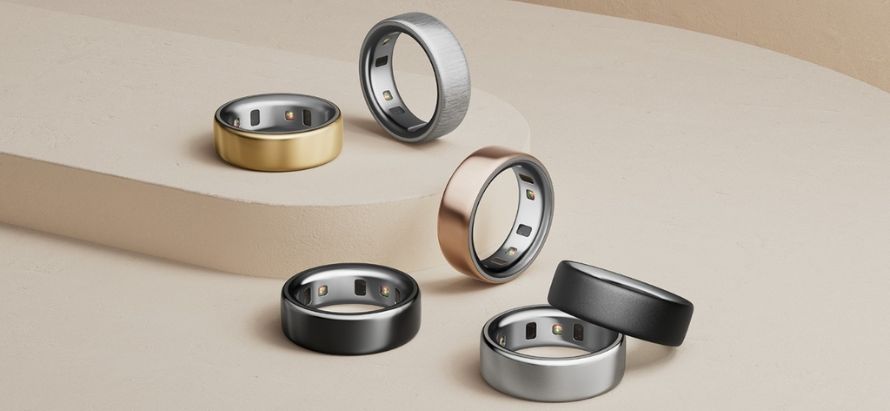
Oura, the company behind the widely used smart ring for health tracking, has acquired Galen AI, a startup focused on unifying fragmented health data into a single, accessible platform.
Galen AI was developed as a personal health companion, designed to consolidate data from multiple sources including electronic medical records, lab reports, prescriptions, and wearable devices into one unified interface.
Through this acquisition, Oura aims to bridge the long-standing gap between consumer wearable data and clinical healthcare data. Traditionally, biometric insights from devices like smart rings have existed separately from hospital systems and medical records, limiting their clinical usefulness.
Galen AI’s platform connects to thousands of healthcare systems and integrates with widely used standards such as FHIR (Fast Healthcare Interoperability Resources), enabling seamless aggregation of patient data across providers.
By combining this infrastructure with Oura’s continuous biometric tracking such as sleep, heart rate variability, and temperature the company plans to create a “connected health companion” capable of delivering more contextual and personalized insights
The acquisition also brings Galen AI’s founding team and AI expertise into Oura, strengthening its capabilities in data integration and machine learning. Financial details of the deal were not disclosed.
This move is part of Oura’s broader strategy to evolve from a wearable device company into a comprehensive health platform, where AI can interpret long term health trends and potentially identify risks before they become clinical issues.
Industry experts note that integrating clinical and wearable data could redefine personal healthcare by enabling proactive, data driven health management, where individuals and clinicians have a more complete picture of overall health.
Overall, the acquisition highlights a growing trend in digital health: the convergence of wearables, AI, and clinical data systems to create more holistic and personalized healthcare experiences.