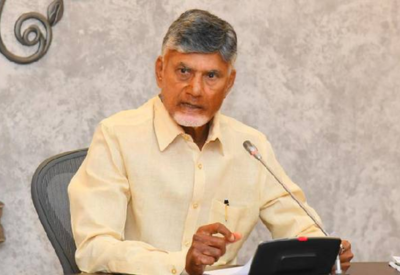
Union Health Minister J. P. Nadda has emphasized early diagnosis and strengthened healthcare infrastructure as key strategies to combat rising non-communicable diseases (NCDs) in India.
Glimpse:
The Indian government is prioritizing early detection and management of non-communicable diseases like diabetes, cancer, and heart disease, which account for nearly 60% of deaths in the country. The strategy focuses on screening, awareness, infrastructure expansion, and timely treatment under national health programs.
India is intensifying its fight against non-communicable diseases (NCDs), with Union Health Minister J. P. Nadda highlighting early diagnosis as a top national priority. Speaking at a recent policy forum, the minister noted that nearly 60% of deaths in India are caused by NCDs making them one of the country’s most pressing health challenges.
To address this growing burden, the government is adopting a multi-pronged strategy under the National Programme for Prevention and Control of Non-Communicable Diseases (NP-NCD). The approach focuses on strengthening healthcare infrastructure, promoting early screening and detection, improving awareness, and ensuring timely referral and treatment.
A major pillar of this strategy is large scale screening. Since 2017, hundreds of millions of Indians have been screened for conditions such as hypertension, diabetes, and common cancers. These efforts aim to identify diseases at an early stage, reducing complications and improving long-term outcomes.
The government has also expanded its primary healthcare network through over 1.85 lakh Ayushman Arogya Mandirs, which serve as the first point of contact for citizens and play a key role in early detection and preventive care.
In addition, investments in infrastructure such as new medical colleges, specialized NCD clinics, cardiac care units, and upcoming district level cancer centers are strengthening the country’s ability to manage chronic diseases effectively.
Experts note that lifestyle related factors account for nearly 70% of NCD risks, making prevention equally important. Government initiatives like “Fit India” and “Eat Right India” are being promoted to encourage healthier lifestyles and reduce disease incidence.
Overall, India’s strategy reflects a shift from reactive treatment to proactive healthcare where early diagnosis, prevention, and continuous care form the foundation of a stronger public health system.