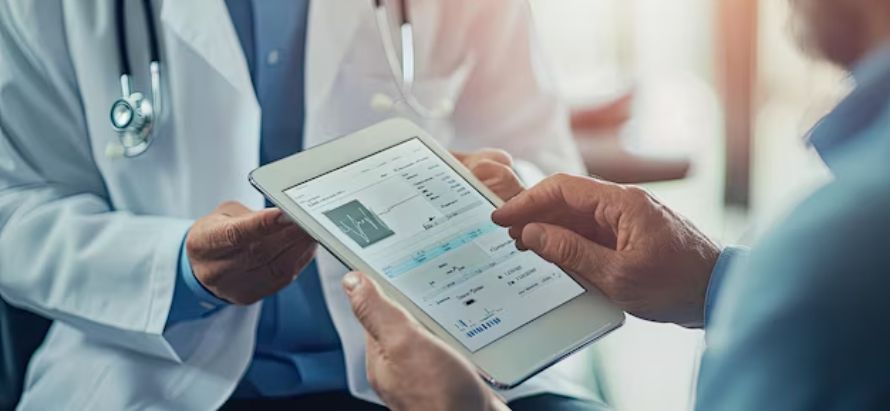
AI-powered medical scribes are rapidly transforming clinical workflows by automating real-time transcription, note generation, and administrative tasks during patient encounters. These tools listen to physician-patient conversations, understand medical context, generate structured SOAP notes, suggest codes, and ensure compliance allowing doctors to focus on care rather than charting, significantly reducing burnout and improving documentation quality.
Glimpse:
Modern AI medical scribes use advanced speech recognition, natural language processing, and specialty-tuned large language models to produce accurate, compliant clinical notes in seconds with minimal editing. Deployed in hospitals and clinics across India and globally, they cut after-hours documentation time by 50–80%, reduce missed charges, enhance billing accuracy, and boost physician satisfaction. Integrated with major EHRs, they comply with privacy regulations and support multilingual consultations, making them especially valuable in high-volume Indian OPDs.
The adoption of AI-powered medical scribes has emerged as one of the most impactful applications of artificial intelligence in clinical practice, fundamentally changing how physicians document patient encounters. These intelligent systems use ambient listening technology to capture conversations between doctors and patients in real time, process the dialogue through fine-tuned large language models that understand medical terminology, contextual nuances, and specialty-specific workflows, and automatically generate structured clinical notes in SOAP format. The notes include history of present illness, review of systems, physical examination findings, assessment, plan, and suggested ICD-10 and CPT codes — all produced within seconds of the consultation ending.
In India, where physicians in busy government and private OPDs often manage 100–200 patients daily, the documentation burden has long contributed to burnout, incomplete records, and billing inefficiencies. AI scribes address these challenges by reducing after-hours charting time by 50–80% in early adopter hospitals and clinics. Systems like those from Nextech, DeepScribe, Nabla, Suki, and home-grown solutions such as Eka Care’s Parrotlet and SigTuple’s voice tools are now live in dermatology, ophthalmology, general medicine, and multi-specialty settings. Clinicians report higher satisfaction, fewer documentation errors, better charge capture (especially for complex procedures), and more face-to-face time with patients.
The technology has matured significantly with recent advancements in multilingual support (Hindi, Tamil, Telugu, Bengali, and code-mixed English-regional language conversations), accent robustness, and contextual understanding of Indian clinical practices including generic drug names, local disease patterns, and AYUSH references. Most platforms offer hybrid workflows: ambient listening during visits, post-visit dictation processing, or template-based entry, always with physician review and edit capabilities to maintain clinical accuracy and accountability. Compliance remains a core focus, with HIPAA-equivalent safeguards, DPDP Act adherence, audit trails, and no storage of raw audio without explicit consent.
Pilot programs in Indian hospitals have shown measurable benefits: reduced physician burnout scores, higher patient satisfaction due to more attentive consultations, improved note completeness for medico-legal protection, and better adherence to quality metrics for insurance and regulatory reporting. As integration with ABDM-compliant EHRs becomes standard, AI scribes are increasingly enabling seamless data flow between primary care, specialists, labs, and pharmacies, supporting continuity of care and population health analytics.
Experts believe AI medical scribes are no longer experimental they are becoming essential infrastructure in modern clinical practice. With ongoing improvements in accuracy, explainability, and affordability, these tools are poised to become ubiquitous in Indian healthcare settings, helping physicians reclaim time for what matters most: patient care.