The National Health Mission (NHM) Arunachal Pradesh has partnered with Wadhwani AI to deploy responsible AI solutions across public health programs, aiming to improve early diagnosis, decision making, and healthcare delivery.
Glimpse:
NHM Arunachal Pradesh has signed an MoU with Wadhwani AI to integrate AI-driven tools into public healthcare. The initiative will focus on tuberculosis detection, maternal and child health, telemedicine, and eye care, strengthening frontline healthcare delivery in remote regions.
In a significant move to modernize public healthcare delivery, the National Health Mission (NHM) Arunachal Pradesh has partnered with Wadhwani AI to deploy responsible artificial intelligence solutions across the state’s health programs.
The collaboration aims to strengthen healthcare services in geographically challenging regions by equipping frontline health workers with AI-powered tools. Key focus areas include tuberculosis care, telemedicine, maternal and child health, and eye care critical domains where early detection and timely intervention can significantly improve outcomes.
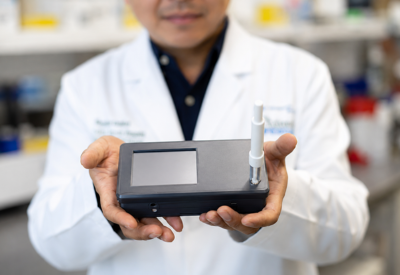
Under the initiative, several advanced AI applications will be introduced. For tuberculosis, tools like cough based screening systems and geospatial risk mapping will help identify high risk populations early. Predictive models will also assist in identifying patients likely to develop severe complications, enabling proactive care.
In telemedicine, AI-driven clinical decision support systems will assist doctors in diagnosis and treatment planning, while voice based assistants will help frontline workers access verified medical guidelines quickly. These tools are expected to improve consistency and efficiency in healthcare delivery at the primary care level.
The partnership also includes innovations in maternal and child health, such as AI-powered newborn monitoring tools, and in eye care, where AI systems will help detect diabetic retinopathy at early stages. These interventions aim to reduce complications through timely screening and referrals.
Officials emphasized that this initiative reflects a shift toward responsible and scalable AI adoption in public health, ensuring that technology is aligned with real world needs and ethical standards. By supporting healthcare workers with actionable insights, the program aims to enhance service delivery, improve access, and strengthen the overall health system.
The collaboration also highlights a broader national trend leveraging AI for social good where organizations like Wadhwani AI focus on building solutions that benefit underserved populations and improve healthcare equity.
Overall, the initiative marks a major step toward integrating AI into India’s public health ecosystem, particularly in remote and underserved regions where technology can bridge critical healthcare gaps.