India’s premier scientific and medical-research bodies, CSIR and ICMR, have charted a comprehensive, integrated roadmap to merge scientific innovation with public health priorities spanning diagnostics, drug development, One Health surveillance, environmental health and biomedical research.
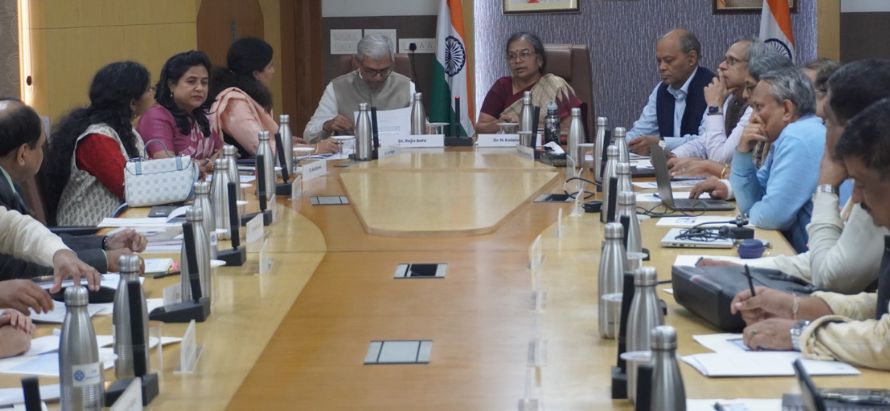
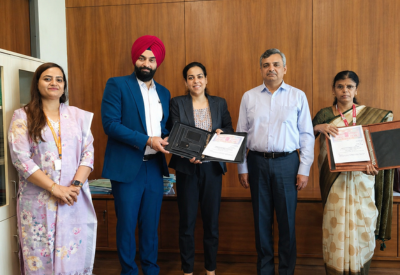
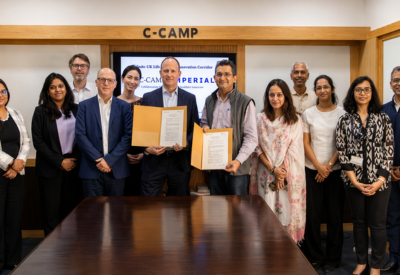
On 25 November 2025, the Council of Scientific and Industrial Research (CSIR) and the Indian Council of Medical Research (ICMR) convened a high-level brainstorming meeting in New Delhi to craft a unified health-research roadmap for India. The meeting co-chaired by CSIR’s Director General and ICMR’s Director General brought together senior leadership from labs across both institutions.
Discussions covered an ambitious agenda: continuing progress on CSIR-developed molecules entering clinical trials, reviewing the performance of ICMR-supported advanced-research Centres housed in CSIR labs, and expediting “big-ticket” public-health projects. Wastewater surveillance for multiple pathogens across cities, hospitals, and communities was identified as a priority under the broader One Health Mission.
Beyond pathogen surveillance, the roadmap extends to drug development pipelines: defining clear roles for CSIR and ICMR in preclinical drug research, systematic clinical trials, and leveraging ICMR’s large-animal toxicity testing facilities. There was also approval to expand the jointly-run AcSIR–ICMR PhD programme and to integrate ICMR fellowships alongside CSIR’s aiming to foster a stronger generation of translational-science researchers.
Looking forward, both organisations pledged to accelerate collaboration on emerging priorities: advanced diagnostics, biomedical innovations, digital health, environmental health surveillance, and even infrastructure for emergency response with one proposal including a national medical-emergency drone network. The roadmap aims for time-bound progress, better coordination, and structured mechanisms for technology co-development a step seen as critical for transforming India’s health research ecosystem.