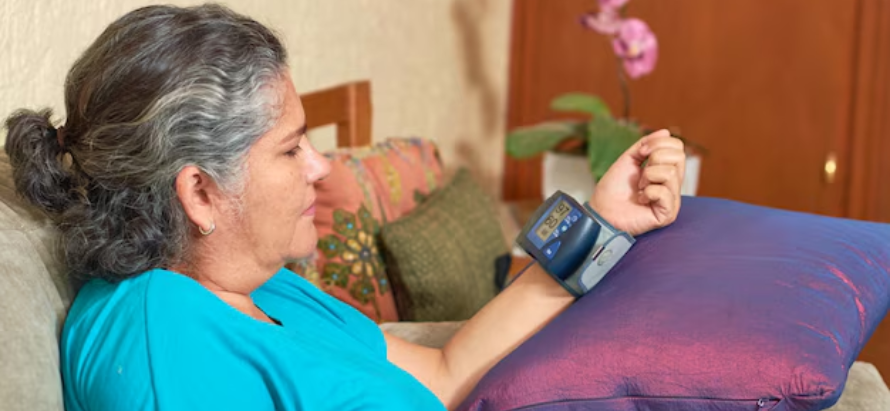
Remote Patient Monitoring (RPM) has evolved from a niche pilot tool into a mainstream pillar of modern care delivery, shifting chronic disease management, post-acute recovery, and high-risk patient oversight from hospital corridors to patients’ living rooms. Powered by connected wearables, AI-driven analytics, virtual care teams, and seamless EHR integration, RPM is delivering earlier interventions, reduced readmissions, better adherence, and dramatically lower costs fundamentally changing how, where, and when care happens.
Glimpse:
In 2026, RPM platforms now monitor vital signs, symptoms, medication adherence, and lifestyle factors 24/7 using smart devices (glucometers, BP cuffs, scales, pulse oximeters, wearables), feeding data into AI engines that detect deterioration early and trigger timely interventions virtual check-ins, nurse escalations, or home visits. Leading Indian and global deployments show 20–50% reductions in hospital readmissions for heart failure, COPD, diabetes, and post-surgical cases, with improved patient satisfaction and significant cost savings for payers and providers. The shift is accelerating under value-based care models, insurance incentives, and ABDM-enabled data portability.
The traditional model of chronic care periodic clinic visits, reactive treatment of exacerbations, and hospital based monitoring is rapidly giving way to a continuous, home-centred approach powered by Remote Patient Monitoring (RPM). In India and globally, RPM has moved beyond simple vital-sign tracking to become a sophisticated, AI-augmented system that keeps patients safer at home while easing pressure on overburdened hospitals.
Modern RPM platforms combine:
- Connected devices (Bluetooth-enabled glucometers, BP monitors, weight scales, pulse oximeters, smart inhalers, ECG patches, and wearables) that automatically transmit data
- AI algorithms that analyse trends, detect anomalies (e.g., rising weight in heart failure, erratic glucose in diabetes, oxygen desaturation in COPD), and calculate personalised risk scores
- Automated alerts and escalation pathways that trigger virtual nurse check-ins, teleconsultations, or home visits when thresholds are crossed
- Patient-facing apps with medication reminders, symptom logging, educational content, and motivational nudges to improve adherence
- Seamless integration with EHRs and ABDM’s ABHA system for real-time data sharing with primary care physicians, specialists, and care coordinators
In India, RPM adoption has accelerated in both private hospital chains and public health programmes. Leading players use RPM to manage high-risk pregnancies, post-discharge cardiac and surgical patients, elderly populations with multiple comorbidities, and chronic conditions like diabetes and hypertension. Early real-world evidence from Indian deployments shows:
- 30–50% reduction in readmissions for heart failure and COPD exacerbations
- 15–25% improvement in glycaemic control (HbA1c reduction) among diabetic patients
- Significant decrease in emergency visits and hospitalisations for high-risk groups
- High patient satisfaction due to the comfort of home-based monitoring and proactive care
Globally, RPM is increasingly reimbursed under value-based care models (e.g., Medicare in the U.S., insurance schemes in India), with payers recognising its ability to lower total cost of care through prevention of costly events. The shift has been further accelerated by post-pandemic comfort with virtual care, rising chronic disease prevalence, and ageing populations.
Challenges remain: device affordability, digital literacy in rural areas, data privacy concerns, clinician buy-in, and integration with existing workflows. Yet the trajectory is unmistakable RPM is rewriting the rules of care delivery, moving it from episodic hospital visits to continuous, home based, data informed management that keeps patients healthier longer and out of hospitals unless truly necessary.