Healthcare Leadership, Policy & Digital Health News IndiaHealthcare Leadership, Policy & Digital Health News IndiaHealthcare Leadership, Policy & Digital Health News India
  • Home
  • News
  • Articles
  • Exclusive
  • HB Originals
  • Gallery
  • Advertisement
  • Press Releases
Healthcare Leadership, Policy & Digital Health News IndiaHealthcare Leadership, Policy & Digital Health News India
  • Medical Science
Search
  • Home
  • News
  • Articles
  • Exclusive
  • HB Originals
  • Gallery
  • Advertisement
  • Press Releases
Follow US
  • Advertise
© 2025 Health Hub Media Pvt Ltd. All Rights Reserved.
Healthcare Leadership, Policy & Digital Health News India > Blog > Frontline Focus > How Digital Health Tools Benefit Doctors in Patient Management

How Digital Health Tools Benefit Doctors in Patient Management

Published: January 22, 2026
SHARE

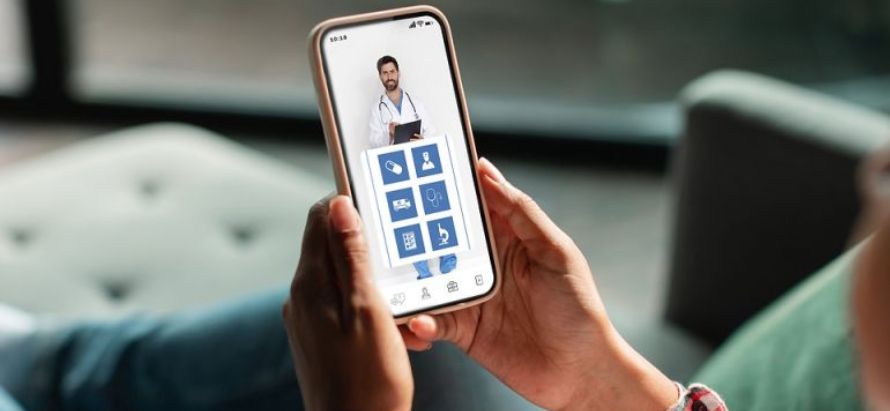
Digital health technologies ranging from electronic health records (EHRs) and telemedicine platforms to AI-assisted decision support, remote monitoring, and patient engagement apps are fundamentally reshaping how doctors manage patient care. By reducing administrative burden, improving access to real-time data, enabling proactive interventions, and facilitating better communication, these tools allow physicians to spend more time on clinical decision-making and meaningful patient interactions while delivering higher-quality, more coordinated care.

Glimpse:

For doctors, digital health delivers measurable gains in time savings (often 20–40% reduction in documentation and admin tasks), faster access to complete patient histories, improved chronic disease management through remote monitoring, earlier detection of deteriorations via predictive analytics, reduced no-show rates through automated reminders, and enhanced collaboration across care teams. When implemented thoughtfully, these benefits translate into lower burnout, higher job satisfaction, better clinical outcomes, and more sustainable practice models.

Doctors today face mounting pressures: rising patient volumes, increasingly complex cases, documentation requirements, insurance prior authorizations, and the constant need to stay updated on guidelines and evidence. Digital health tools, when well-integrated, directly address many of these pain points and create meaningful improvements in daily patient management.

One of the most immediate and widely experienced benefits is the dramatic reduction in administrative burden. Modern EHRs with ambient AI scribes (such as Nabla, DeepScribe, or Suki) now capture patient conversations in real time and auto-generate structured notes, reducing after-hours charting by 60–80% for many physicians. Voice-enabled documentation, automated coding suggestions, and smart templates further streamline workflows, freeing up hours each week that doctors can redirect toward patient care, teaching, or personal well-being.

Access to complete, longitudinal patient data is another game-changer. Through platforms like ABDM in India or FHIR-based exchanges in other markets, doctors can instantly view a patient’s full history past consultations, lab results, imaging, prescriptions, allergies, immunisations, and hospitalisations regardless of where care was previously delivered. This eliminates the need for patients to repeat histories, reduces medication errors, prevents redundant testing, and supports more informed decision-making, especially for complex chronic or multi-specialty cases.

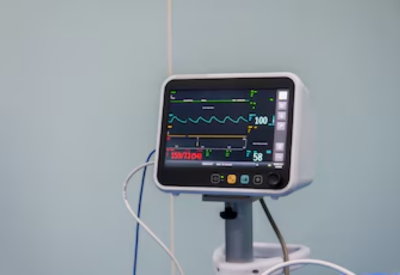
Remote patient monitoring (RPM) and connected devices give doctors visibility into patients’ health between visits. Wearables, smart blood pressure cuffs, glucometers, pulse oximeters, and scales feed real-time data into dashboards, allowing early detection of deteriorations in conditions like heart failure, COPD, hypertension, or diabetes. AI-driven alerts flag concerning trends such as rising weight in heart failure patients or erratic glucose in diabetics enabling timely interventions that often prevent hospitalisations. Studies consistently show RPM programs reduce readmissions by 20–50% for selected chronic conditions.

Telemedicine and asynchronous care expand capacity without adding physical appointments. Doctors can review photos of rashes, titrate medications via secure messaging, conduct virtual follow-ups, and manage stable chronic conditions efficiently. This is particularly valuable for patients in rural areas, those with mobility issues, or those requiring frequent monitoring, while allowing physicians to see more patients per day without extending clinic hours.

Digital tools also improve care coordination and reduce fragmentation. Shared care plans, e-referral systems, and integrated messaging platforms ensure specialists, primary care doctors, pharmacists, and allied health professionals stay aligned. Automated reminders, patient portals, and engagement apps improve adherence to medications, follow-up visits, and lifestyle recommendations—outcomes that directly reflect on the physician’s management success.

Finally, AI-assisted decision support is becoming a quiet but powerful ally. Clinical decision support systems embedded in EHRs flag drug interactions, guideline non-compliance, sepsis risk, or deteriorating trends, acting as a safety net without overriding clinical judgment. In high-volume settings, AI triage tools help prioritise urgent cases, while predictive models identify patients at risk of readmission or deterioration for proactive outreach.

Of course, these benefits depend on thoughtful implementation: user-friendly interfaces, minimal clicks, reliable integration, strong privacy protections, and clinician involvement in design. When digital health tools are physician-centric rather than physician-imposed, they become powerful enablers rather than additional burdens.

For doctors, the real promise of digital health in 2026 and beyond is not just efficiency it is the restoration of time, focus, and joy in patient care. When technology handles the routine and repetitive, physicians can return to what drew them to medicine: diagnosing, treating, counselling, and truly caring for people.

 

“Digital health isn’t about replacing doctors it’s about giving them back the time and information they need to practise medicine at its highest level.”

By

HB Team

Related News

Nourish Raises $100 Million to Expand AI-Powered Metabolic Healthcare

May 22, 2026

A Commander’s Mission Beyond the Battlefield Serving the Humanity @ Amor Hospitals

May 20, 2026

Canadian Cruise Passenger Tests Positive in MV Hondius Hantavirus Outbreak

May 18, 2026

AI Set to Power India’s Next Healthcare Revolution Under PM-JAY and ABDM

May 13, 2026

IIT Patna Develops AI Wearable Device for Early Dementia Detection

May 12, 2026

HealthQuad Invests in LifeSigns to Scale AI-Based Remote Patient Monitoring Worldwide

May 12, 2026

How Digital Technology and AI Are Redefining Modern Nursing Care

May 12, 2026

India’s Medical Robotics Revolution Is Transforming Modern Healthcare

May 11, 2026

10 Health Tech Innovations Transforming Healthcare This National Technology Day

May 11, 2026

India Launches JANANI Platform to Digitize Maternal & Child Healthcare Tracking Nationwide

May 8, 2026

India Launches Swasth Bharat Portal to Create a Unified Digital Healthcare Ecosystem

May 7, 2026

Infosys Acquires Optimum Healthcare IT to Power AI-Driven Healthcare Transformation

May 6, 2026

MrMed Expands Bengaluru Hub to Power Faster Delivery of Critical Medicines

May 5, 2026

NIMHANS Launches App Repository to Simplify Mental Health Choices

May 4, 2026

Thermo Fisher’s $1.075 Billion Shake-Up: Microbiology Unit Sold to Astorg in Strategic Pivot

April 29, 2026

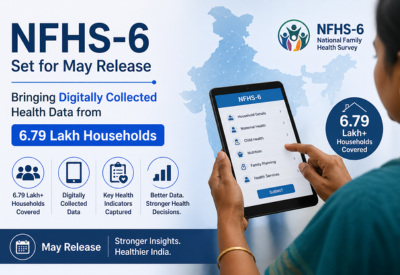
India’s Biggest Digital Health Survey Nears Release, Covering Over 6.7 Lakh Households

April 29, 2026

Gleneagles BGS Rolls Out ‘HEAL Health Card’ to Make Quality Healthcare More Affordable

April 29, 2026

Jharkhand Taps AI Power with Google Pact to Rebuild Digital Healthcare Backbone

April 29, 2026

Mumbai’s S.L. Raheja Hospital Elevates Care with Smart Diagnostics and Robo-Ortho Launch

April 29, 2026

India’s Digital Health Reality Check: Patients Say “Fix Trust First, Then Tech”

April 30, 2026
UToledo Health Expands Nabla’s Ambient AI in Epic to Cut Documentation Time and Reduce Backlogs
Andhra Pradesh Launches Dedicated Digital Portal to Empower Adolescents with Health Awareness
World’s Largest X-Ray Imaging Components Facility Established at Vizag’s AMTZ
Philips Introduces Rembra CT: Next-Generation Scanner to Accelerate Imaging Speed and Expand Patient Access
ObvioGo Integrates with Oracle Clinical One for Seamless Data Collection in Trials
Your browser does not support the audio element.

Contact us

Privacy Policy

Terms & Conditions

HealthBuzz is a leading platform for healthcare news in India, covering hospital leadership updates, health policy developments, digital health innovations, and emerging healthcare startups. Stay informed with the latest insights shaping India’s healthcare ecosystem.

Facebook Twitter Youtube Whatsapp

Quick Links

  • Home
  • Articles
  • HB Originals
  • News
  • Videos
  • Gallery

Company

  • About us
  • Contact Us
  • Privacy Policy
  • Terms & Conditions

Install our Mobile App for Best Experience

Healthcare Leadership, Policy & Digital Health News IndiaHealthcare Leadership, Policy & Digital Health News India
Follow US
Health Hub Media Pvt. Ltd. © 2026 All Rights Reserved
Welcome Back!

Sign in to your account

Username or Email Address
Password

Lost your password?