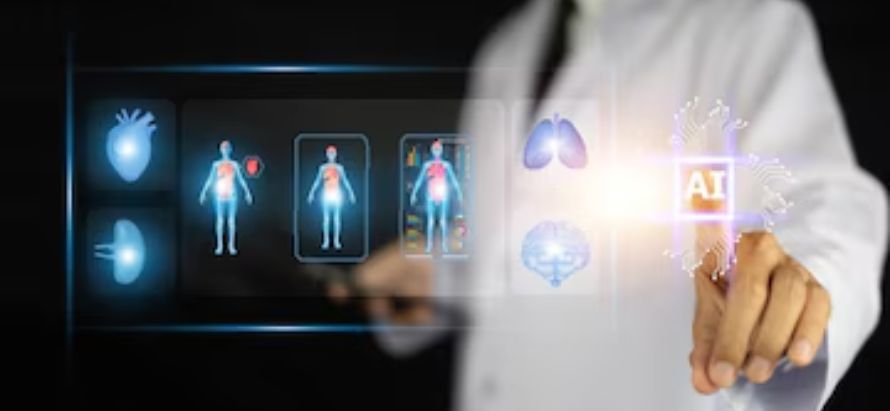
India’s healthtech startup ecosystem has entered a new phase of maturity in 2026, with several companies unveiling AI-driven tools explicitly built for large-scale, population-level health screening. These innovations come at a time when the government is expanding preventive health check-ups under Ayushman Bharat and National Health Mission programmes, yet faces persistent challenges in reaching remote areas with limited diagnostic infrastructure and trained personnel.
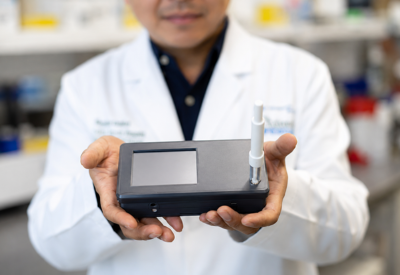
Among the most prominent launches is an AI-powered smartphone fundus camera adapter and algorithm suite capable of detecting diabetic retinopathy, glaucoma, and hypertensive retinopathy with over 92% sensitivity in community screenings. Another startup has introduced a voice-based AI triage system that analyses cough patterns, breathing sounds, and speech characteristics to flag potential tuberculosis cases achieving results comparable to GeneXpert in preliminary field studies while requiring only a basic smartphone microphone. A third company demonstrated a contactless facial scan tool that estimates anaemia risk, vitamin deficiencies, and metabolic stress from subtle changes in skin tone, sclera colour, and facial micro-expressions, delivering instant risk scores with lab-validated accuracy in the 85–90% range.
These tools share common design principles: offline functionality for low-connectivity areas, support for multiple Indian languages, minimal hardware requirements (often just a smartphone), and integration pathways with ABDM’s ABHA digital health IDs for seamless record linkage and follow-up tracking. Most have undergone or are undergoing prospective validation in government-led pilots across states including Uttar Pradesh, Bihar, Rajasthan, Odisha, and Telangana.
The push for large-scale screening reflects both epidemiological urgency and policy alignment. India carries the world’s highest burden of diabetes, hypertension, tuberculosis, and anaemia, with late diagnosis contributing to preventable complications and high treatment costs. Traditional screening methods—lab-based blood tests, specialist referrals, and fixed-site camps—are resource-intensive and often fail to reach the last mile. AI-enabled tools that can be operated by ASHA workers, ANMs, or even self-administered by individuals promise to bridge this gap at a fraction of the cost.
Early adopter states and central programmes have shown strong interest, with several startups reporting MoUs or pilot orders from NHM, state health departments, and corporate CSR initiatives. Regulatory pathways are also evolving: CDSCO has begun fast-tracking approvals for AI-based diagnostic aids classified as low-to-moderate risk, while the Indian Council of Medical Research (ICMR) is developing validation protocols tailored to population screening contexts.
Challenges remain, including ensuring algorithmic fairness across India’s diverse ethnicities, skin tones, and accents; building trust among frontline workers and communities; and creating sustainable revenue models beyond pilot funding. Yet the momentum is unmistakable: Indian healthtech startups are no longer just replicating global models they are designing solutions natively suited to India’s scale, diversity, and resource constraints.
The next 12–24 months will be decisive. If these tools deliver on accuracy, usability, and cost-effectiveness in real-world conditions, they could become foundational components of India’s preventive health architecture turning smartphones and basic peripherals into powerful instruments for early detection and disease control at population scale.