Healthcare Leadership, Policy & Digital Health News IndiaHealthcare Leadership, Policy & Digital Health News IndiaHealthcare Leadership, Policy & Digital Health News India
  • Home
  • News
  • Articles
  • Exclusive
  • HB Originals
  • Gallery
  • Advertisement
  • Press Releases
Healthcare Leadership, Policy & Digital Health News IndiaHealthcare Leadership, Policy & Digital Health News India
  • Medical Science
Search
  • Home
  • News
  • Articles
  • Exclusive
  • HB Originals
  • Gallery
  • Advertisement
  • Press Releases
Follow US
  • Advertise
Β© 2025 Health Hub Media Pvt Ltd. All Rights Reserved.
Healthcare Leadership, Policy & Digital Health News India > Blog > Global News > Stanford Researchers Develop AI Tool to Monitor Rare Cancers After Radiation Therapy

Stanford Researchers Develop AI Tool to Monitor Rare Cancers After Radiation Therapy

Published: January 17, 2026
SHARE

Researchers at Stanford Medicine have created an AI-powered surveillance model that significantly improves the detection of rare secondary cancers in patients previously treated with radiation therapy. By analysing longitudinal imaging data and clinical records, the tool identifies subtle early signs of radiation-induced malignancies such as sarcomas, thyroid cancers, and breast cancers in irradiated fields often years before they become clinically evident, offering the potential for earlier intervention and better outcomes.

Glimpse:

Published in Nature Medicine on January 15, 2026, the Stanford AI model was trained on decades of follow-up data from thousands of childhood and young adult cancer survivors who received radiation. It detects radiation-associated secondary malignancies with high sensitivity and specificity, outperforming traditional surveillance methods. The tool is now being piloted at Stanford Cancer Institute and is expected to inform national guidelines for long-term monitoring of radiation-treated patients.

A team from Stanford Medicine has developed and validated an artificial intelligence model capable of detecting rare secondary cancers that arise years after radiation therapy for an initial malignancy. The research, published in Nature Medicine on January 15, 2026, addresses one of the most challenging aspects of survivorship care: the late emergence of radiation-induced tumours, which often have poor prognosis due to delayed diagnosis.

Radiation therapy remains a cornerstone of treatment for many childhood cancers, lymphomas, breast cancer, and head-neck cancers, but it carries a small but serious long-term risk of causing secondary malignancies such as sarcomas, thyroid cancer, breast cancer in the radiation field, and certain brain tumours. These cancers can appear 5–30 years after treatment, and conventional surveillance relying on periodic physical exams and symptom-triggered imaging frequently misses early, asymptomatic lesions.

The Stanford team, led by radiation oncologist and data scientist Dr. Susan Hiniker and bioinformatician Dr. Erqi Pollom, trained a deep learning model on a large retrospective cohort of over 4,000 survivors followed for decades at Stanford and collaborating institutions. The AI analyses serial imaging (MRI, CT, and PET scans), radiation treatment plans, and longitudinal clinical data to identify subtle textural changes, volume anomalies, and metabolic shifts that are highly predictive of emerging secondary cancers.

In validation testing, the model demonstrated excellent performance: it flagged secondary malignancies with a sensitivity of 89% and specificity of 94%, often detecting lesions 12–36 months before they were diagnosed clinically. Importantly, the AI reduced false positives compared to traditional radiologist review, minimising unnecessary biopsies and patient anxiety.

The tool is now being piloted at the Stanford Cancer Institute’s Late Effects Clinic, where survivors of childhood and young adult cancers are followed lifelong. Plans are underway to refine the model for broader deployment, potentially integrating it into national survivorship guidelines and making it available to other cancer centres through a cloud-based platform.

Dr. Susan Hiniker, lead author of the study, said: β€œSurvivors of radiation therapy live with a lifelong risk of secondary cancers that are often aggressive and hard to detect early. This AI tool gives us a powerful new way to monitor these patients proactively, catching problems when they are most treatable sometimes years before symptoms or conventional imaging would raise concern.”

The work is part of Stanford’s broader effort to use AI for precision surveillance in oncology, particularly for high-risk survivor populations. Collaborators included faculty from radiation oncology, radiology, biomedical informatics, and paediatric oncology, along with support from the Stanford Cancer Institute and the National Cancer Institute.

As the number of cancer survivors continues to grow globally, tools like this could transform long-term follow-up care shifting it from reactive to predictive and personalised, ultimately improving survival and quality of life for those cured of one cancer but at risk of another.

β€œThese secondary cancers can be devastating, but they are often curable when caught early. Our AI model is designed to give clinicians and patients that critical early warning turning surveillance from a waiting game into a proactive strategy.”

By

HB Team

Related News

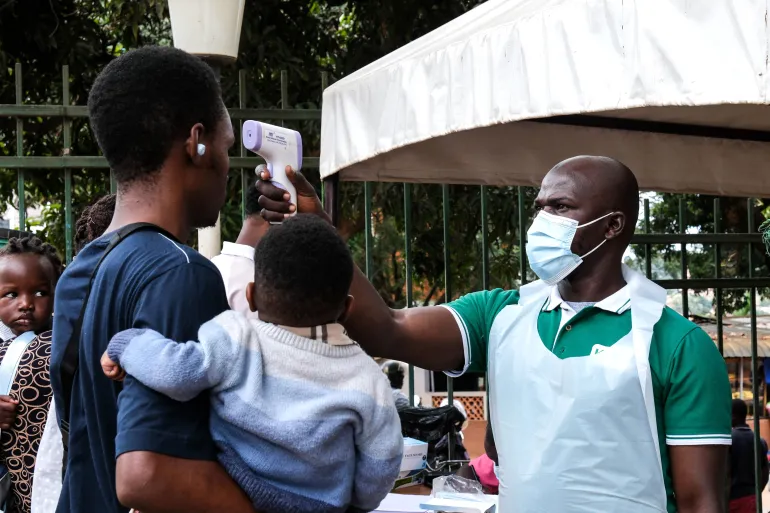
WHO Declares Global Health Emergency Over Ebola Outbreak in Congo and Uganda

May 18, 2026

Theris Emerges from Stealth with AI-Powered Behavioral Health Platform

May 12, 2026

Sanford Health to Integrate North Memorial Health in $600 Million Expansion Deal

May 12, 2026

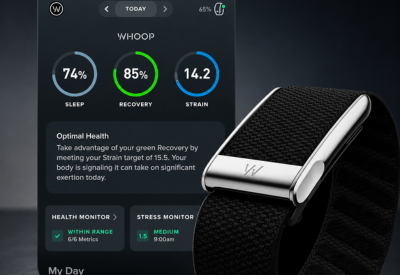
WHOOP Expands Beyond Fitness Tracking with AI Health Coaching and On Demand Clinician Access

May 11, 2026

Google Unveils Screenless Fitbit Air to Power the Future of AI-Driven Health Coaching

May 11, 2026

Highmark Health Appoints Former UnitedHealth Executive Heather Cianfrocco as Chief Operating Officer

May 8, 2026

Merck Acquires Terns Pharmaceuticals to Strengthen Oncology Pipeline with Promising Leukemia Drug TERN-701

May 7, 2026

India and Japan Deepen Strategic Partnership with Focus on Quantum Technology & Healthcare Innovation

May 7, 2026

Sanofi Invests $294 Million to Expand AI Hub in Toronto, Accelerating Digital Drug Innovation

May 7, 2026

Samsung Study Finds Galaxy Watch6 AI Can Predict Fainting Episodes Minutes Before They Happen

May 7, 2026

American Hospital Association & West Health Launch 3-Year Accelerator to Scale AI, EHR & Virtual Care

May 6, 2026

BD (Becton, Dickinson and Company) & Wellstar Health System Launch AI-Powered Medication Management to Boost Patient Safety

May 6, 2026

CommonSpirit Health Sells Ohio’s Trinity Health System to UPMC in Strategic Shift

May 5, 2026

From Hospital to Home: How Remote Diagnostics Devices Are Redefining Patient Care

April 29, 2026

Gleneagles BGS Unveils HEAL Health Card to Bridge Healthcare Gaps in Bengaluru

April 29, 2026

AI Startup TrialClinIQ Secures Funding Boost to Revolutionize Clinical Trial Access

April 30, 2026

India Leads Global TB Fight with First BRICS Meet on Next-Gen Diagnostics

April 29, 2026

Aidoc Raises $150M to Power Next-Gen AI Imaging and Transform Clinical Workflows

April 30, 2026

AI Breakthrough: Mayo Clinic Tool Detects Pancreatic Cancer Years Before Symptoms Appear

May 1, 2026

WellSky Unveils AI-Powered Ambient Documentation to Cut Clinician Burden and Transform Care Workflows

May 1, 2026
CDSCO Launches Digital Monitoring System on ONDLS to Track High-Risk Solvents
Microsoft Licenses Harvard Health Content to Power Smarter Copilot AI in Healthcare
Ultrahuman Raises β‚Ή100 Crore Venture Debt to Fuel Global Growth Despite U.S. Market Headwinds
Trump Administration Adds 15 High-Spend Drugs to Medicare Price Negotiations in Major Expansion
Aarogyatech Gifts Praana Health Platform to IIT Roorkee to Power Next-Gen Medical Research
Your browser does not support the audio element.

Contact us

Privacy Policy

Terms & Conditions

HealthBuzz is a leading platform for healthcare news in India, covering hospital leadership updates, health policy developments, digital health innovations, and emerging healthcare startups. Stay informed with the latest insights shaping India’s healthcare ecosystem.

Facebook Twitter Youtube Whatsapp

Quick Links

  • Home
  • Articles
  • HB Originals
  • News
  • Videos
  • Gallery

Company

  • About us
  • Contact Us
  • Privacy Policy
  • Terms & Conditions

Install our Mobile App for Best Experience

Healthcare Leadership, Policy & Digital Health News IndiaHealthcare Leadership, Policy & Digital Health News India
Follow US
Health Hub Media Pvt. Ltd. Β© 2026 All Rights Reserved
Welcome Back!

Sign in to your account

Username or Email Address
Password

Lost your password?