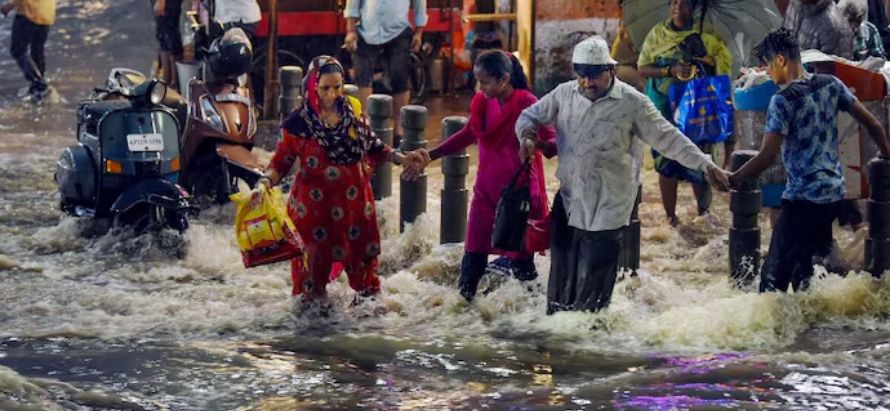
The state of Telangana has been hit by a historic rain event: in one 24-hour window, several locations logged over 300 mm of rainfall, with Bheemadevarapalle in Hanumakonda recording 422 mm, Kalleda in Warangal 415.5 mm and Redlawada 358.5 mm. The scale surpasses previous October records, leaving roads submerged, homes flooded, and many districts stranded.
While the weather system that brought this has receded, the health impact is just beginning. Flood-waters and stalled drainage foster mosquito breeding; contamination of potable water is a high risk; sanitation systems are under strain; and displacement of populations into temporary shelters increases exposure to infections. Local health departments have warned of upcoming spikes in leptospirosis, dengue, chikungunya and diarrhoeal illnesses.
Officials have mobilised rescue teams and relief efforts, but emphasise vigilance on disease control in the aftermath of the rainfall.