Glimpse:
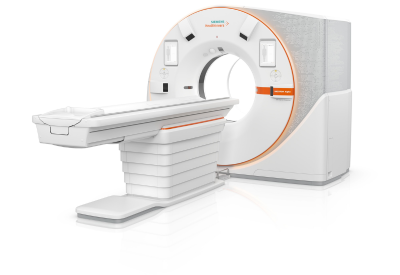
The hospital’s Radiology & Imaging department has introduced a photon-counting CT scanner an advanced imaging system that detects individual X-ray photons. This technology offers sharper, more precise images, better contrast, and lower dosage exposures compared to traditional CT scanners. It is especially beneficial for imaging complex anatomy, detecting fine details, and performing scans where repeated imaging is required.
Sir H. N. Reliance Foundation Hospital & Research Centre in Mumbai has installed South Asia’s first photon-counting CT scanner, a cutting-edge technology in diagnostic imaging. Photon-counting CT (PCCT) differs from conventional CT by converting X-ray photons directly into electrical signals rather than using light intermediate steps this allows for much finer image resolution, enhanced contrast, and significantly lower radiation doses for patients.
The device uses spectral imaging at the photon level, enabling radiologists to better differentiate subtle tissue types, detect small lesions, reduce beam-hardening artefacts (especially around metal implants), and improve diagnostic clarity for cardiovascular, pulmonary, neurological, and oncological imaging. It also enhances safety by reducing radiation exposure which is especially important for pediatrics, repeat scan patients, and sensitive populations.
Reliance Hospital’s Radiology & Imaging department has integrated this scanner into its technology portfolio which already includes other advanced imaging tools: high-end MRI, advanced CT scanners, mammography, bone densitometry, ultrasound, digital X-ray, and PACS systems. The aim is to elevate the standard of diagnostic imaging in India and provide clinicians with precision tools that support earlier, more accurate detection and treatment planning.
Hospital leadership emphasized that access to PCCT will help reduce follow-ups due to poor image quality, improve patient comfort, and reduce contrast agent use. They anticipate that this will also set a benchmark for other institutions in the region to upgrade their imaging capabilities.