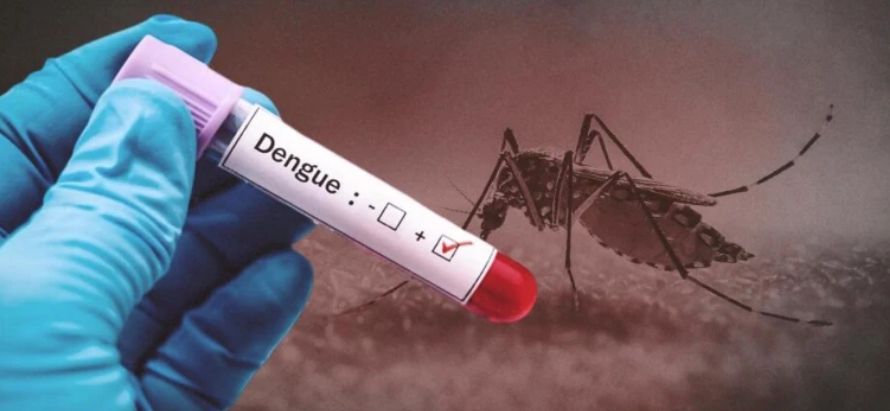
As Tamil Nadu reports 16,546 dengue infections and 8 deaths so far in 2025, health authorities are ramping up surveillance, vector control, and public awareness measures. The spike is attributed to erratic rainfall, water stagnation, and ideal mosquito breeding conditions.
Glimpse:
Tamil Nadu is confronting a sharp rise in dengue cases, with 16,546 infections and 8 fatalities recorded by early October. The state ranks second in India in total dengue load this year, following Karnataka. Health officials attribute the surge to changing rainfall patterns, intermittent showers, and water stagnation providing breeding grounds for Aedes aegypti mosquitoes. In response, the government has intensified door-to-door fever surveillance, anti-larval operations, and public awareness campaigns. Officials emphasize early diagnosis and discourage self-medication, even as they assure that the situation is under control with preventive protocols in full swing.
Tamil Nadu is in the throes of a seasonal health challenge that’s looking more serious this year: dengue is making a strong comeback. With 16,546 cases and 8 deaths logged by early October, the state is witnessing an aggressive uptick in infections but officials believe they still have tools to manage it.
What’s fueling the rise? Experts point to erratic rainfall, stagnant water, and temperature fluctuations all perfect conditions for Aedes aegypti, the mosquito that spreads dengue. Reports suggest that in recent weeks, Chennai, Tiruvannamalai, Madurai and Coimbatore districts are seeing clusters of unexplained fevers, adding to alarm.
To fight back, the state health machinery has flipped into high gear.
Door-to-door surveillance is being conducted across vulnerable zones to catch fever cases early.
Anti-larval operations are underway spraying insecticides, cleaning drains and removing water sources in homes and public spaces.
Awareness campaigns in schools, residential areas and offices urge citizens to cover water containers, eliminate standing water behind refrigerators or in plant pots, and wear protective clothing during daytime biting hours.
Health departments are monitoring and stocking medicines, testing kits, IV fluids, and training staff in hospitals and primary health centers for potential surge.
Officials emphasize that although dengue cases are rising, fatalities remain relatively low eight documented so far and they believe the overall situation is under control with coordinated preventive action.