You don’t hear about two shoulders being operated on at once very often let alone with biological techniques that try to restore rather than replace. That’s what makes this case at SRM Global Hospitals in Chennai stand out.
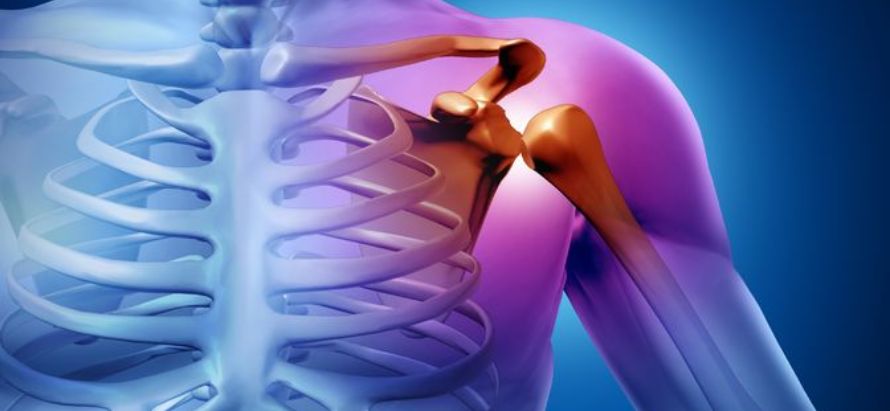
The patient: a 52-year-old volleyball coach and sports nutritionist from Puducherry. He had been battling chronic pain in his right shoulder for nearly a decade, and two years ago, similar degenerative symptoms appeared in his left shoulder. Medical evaluation revealed bilateral primary shoulder osteoarthritis, a rare condition affecting perhaps 1 in 10,000 to 1 in 100,000 individuals.
The surgical team, led by specialists in arthroscopy and sports medicine, elected a joint-preserving strategy rather than full shoulder replacement. Using Comprehensive Arthroscopic Management (CAM) combined with stem cell biological resurfacing, they removed damaged cartilage, cleared rough surfaces, performed microfractures to stimulate bone healing, and injected stem cells harvested from his own pelvic bone to promote cartilage regeneration.
The earlier success in treating his left shoulder gave both patient and surgeons confidence to treat the right side now. The approach aims not just to relieve pain, but to restore motion and retain as much of the natural joint as possible.
Postoperative care is intensive: rehabilitation includes physiotherapy, controlled load progression, mobility training, and long-term monitoring. The goal is to strike the balance between aggressive recovery and protection of the healing joint.
This case is notable not just because of its rarity, but for what it signals: advances in orthopaedic surgery and regenerative medicine are enabling options that were previously impossible or extremely risky. For patients, especially in sports or active professions, it offers hope of recovery without sacrificing joint naturalness.